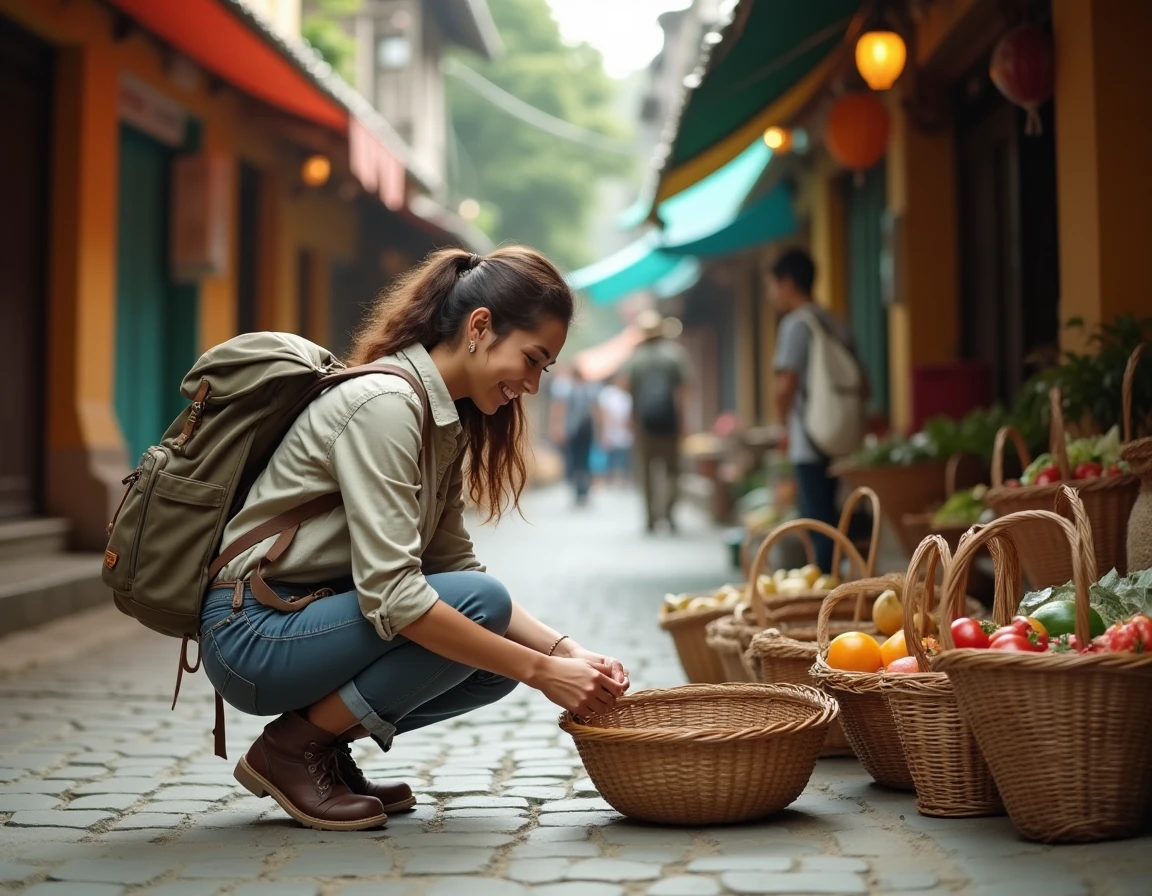
Choosing a train journey instead of a domestic flight, staying with a local instead of a resort, hiking for three days on a coastal trail instead of ticking off capitals: traveling differently often starts with a simple gesture that changes the entire dynamic of the trip. Responsible and authentic tourism is not based on a catalog of good intentions, but on concrete choices, from the mode of transport to the type of accommodation.
Ban on short flights in France: what it changes for your journeys
Since the decree of 2023, France prohibits certain domestic flights when a rail alternative of less than 2h30 exists. Paris-Lyon, Paris-Bordeaux, Paris-Nantes: these connections now go by rail. This ban has a direct effect on how to plan a trip, well beyond just the affected routes.
The train changes the relationship with time. A four-hour journey on a TGV includes the scenery, a wide seat, and no security checks. The journey becomes part of the trip, not an obstacle. And for farther destinations in Europe, “no fly” traveler communities are now sharing complete itineraries by train or bus, from London to Athens or from Paris to North Cape, with practical step-by-step guides.
Have you ever looked at the CO₂ emissions display on a booking platform? Several airlines and travel sites are making this information much more visible, driven by European guidelines and investigations by the DGCCRF in France on “green” claims. The carbon footprint of a journey is becoming a displayed selection criterion, alongside price or duration.
To extend this reflection on itineraries and find travel inspirations thought differently, a useful resource: https://www.vagabondes.fr/, which offers stories and concrete ideas for organizing responsible stays.
Slow travel in Europe: slowing down to better discover a country
Slow travel is based on a simple principle: stay longer in the same place. Instead of visiting three countries in ten days, spend ten days in a single region. This change of pace transforms the very nature of the experience.
Specifically, slow travel involves renting accommodation for a week, frequenting the local market, and finding the café where locals go in the morning. Traveling slowly fosters encounters that fast tourism does not allow. A baker who recognizes you on your third visit, a neighbor who recommends a walk off the guides: these micro-interactions create a more lasting memory than a photo in front of a monument.
Destinations suitable for slow travel in France and Europe
Some areas lend themselves particularly well to this approach. In France, rural valleys like Lot or Ariège offer stays where nature and local craftsmanship are at the center. In Europe, regions like Alentejo in Portugal or the Croatian islands off-season allow you to live at a local pace without massive tourist infrastructure.
- Prefer accommodations managed by locals (gîtes, guesthouses, farms) so that the money directly benefits the local economy
- Get around by bike or on foot locally, which limits the carbon footprint and opens inaccessible paths by car
- Choose a single region per stay and dedicate at least five nights to go beyond the stage of tourist visiting
Responsible adventure: three concrete choices before leaving
The word “responsible” has become a marketing argument. However, a responsible trip is built on specific choices, not on a label. Before booking, three questions deserve a clear answer.
Transport: compare emissions, not just price
The “no fly” movement is gaining ground in several European countries, notably in Sweden, the Netherlands, and Germany. These travelers do not give up on long distances: they cover them differently. A Paris-Barcelona night train takes longer than a flight, but the carbon footprint is significantly reduced.
Accommodation: who benefits from your night?
Staying in an international chain hotel or in a guesthouse run by a local family does not have the same economic impact on the territory. A local accommodation reinvests almost all of the price into the region’s economy. Rural gîtes, mountain lodges, welcoming cooperatives: options exist in most destinations.
Activities on-site: immersion or consumption?
Have you ever participated in a group excursion of forty people in a village presented as “authentic”? This type of visit is more about spectacle than encounter. Preferring small group activities, led by local guides, radically changes the quality of the exchange.
- Opt for workshops (cooking, crafts, agriculture) organized by locals rather than by external operators
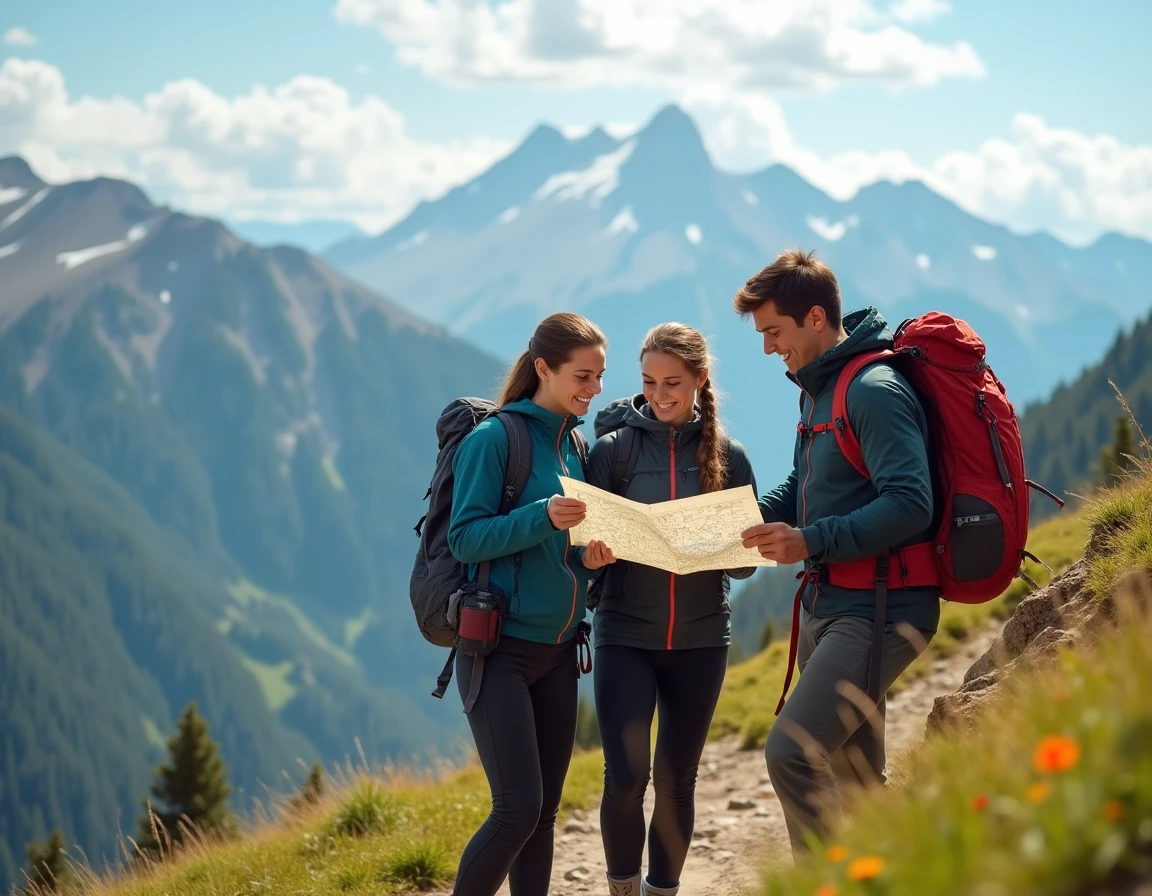
- Check that nature activities (hiking, kayaking, wildlife observation) comply with local protection regulations
- Avoid attractions involving captive animals or decontextualized cultural performances
Nomadic lifestyle and long-term travel: another temporality
The nomadic lifestyle is attracting more and more travelers, especially those who combine remote work and travel. This approach requires rethinking the notion of destination: one no longer “visits” a country, one lives there temporarily.
Long-term travel reduces the number of flights per year. A traveler who spends three months in a country instead of making three round trips of ten days mechanically divides their transport-related emissions. This format also changes the relationship to the place: learning a few words of the local language, understanding market hours, identifying harvest seasons.
The challenge remains financial. Traveling long-term costs less per day than a short stay in a hotel, provided one accepts a different level of comfort. Renting an apartment for a month in a secondary city, cooking for oneself, using local transport: these habits bring the budget closer to a daily cost of living rather than a vacation budget.
Responsible and authentic adventure does not require special equipment or exotic destinations. It relies on verifiable transport choices, accommodation that benefits locals, and a pace that allows for the unexpected.