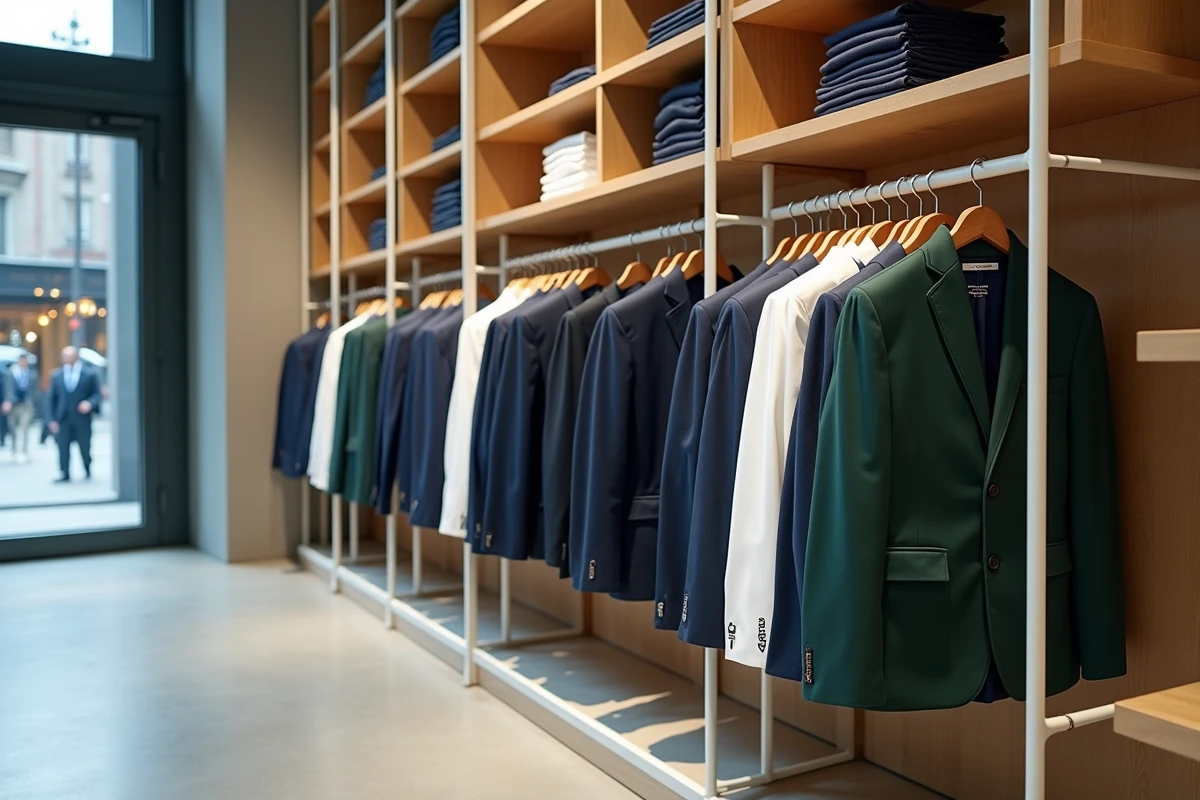
Lacoste occupies a unique place in the landscape of French fashion. Founded by René Lacoste, the crocodile brand has built its identity around the polo, a garment that has become iconic. In the ready-to-wear market, it faces competitors who do not all play on the same field: some compete in the sportswear segment, while others focus on premium positioning or the ability to attract an urban clientele.
Mapping these rivals helps to understand where Lacoste truly stands in the fashion ecosystem.
The premium sportswear segment: the heart of the rivalry
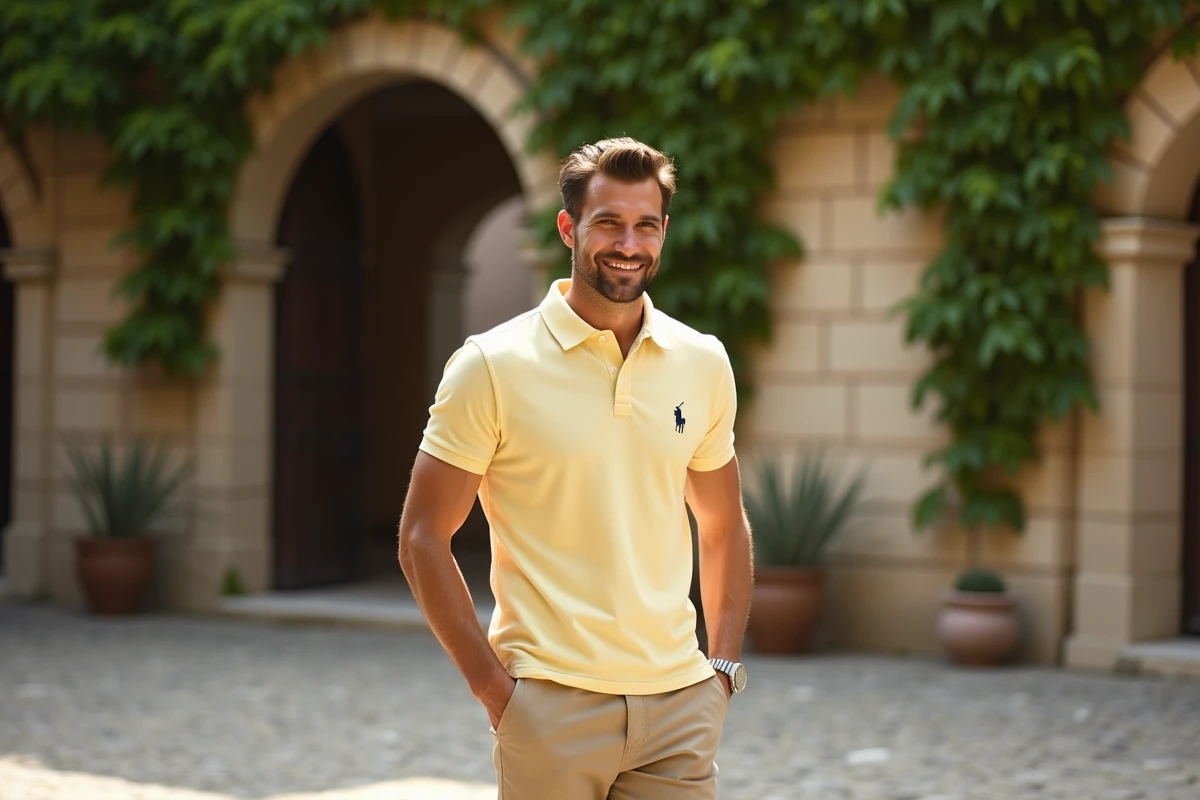
The polo remains Lacoste’s flagship product, and it is precisely in this area that the competition is most direct. Ralph Lauren, with its Polo line, targets a very similar consumer: attached to the codes of sport, sensitive to brand heritage, and willing to pay a price that falls between mass market and luxury.
The difference lies in cultural positioning. Ralph Lauren cultivates an image linked to American aristocracy, while Lacoste draws from French sporting elegance. However, both brands find themselves in the same department stores, on the same shelves, and often in the same shopping cart of the consumer.
Tommy Hilfiger also plays in this niche, with a more casual and colorful approach. The American brand has successfully rejuvenated its image in recent years through collaborations and aggressive digital marketing. For a buyer who is torn between a Lacoste polo and a Tommy polo, the choice often comes down to the aesthetics of the logo and the brand universe rather than textile quality, as both are in a comparable range.
A detailed overview allows us to identify Lacoste’s main competitors in each of these segments, from sportswear to urban ready-to-wear.
Hugo Boss and Fred Perry: two strategies against the crocodile
Hugo Boss represents a competitor of a different caliber. The German group covers a broader spectrum, from city suits to casual collections. Its advantage: a strong presence in the professional wardrobe, a territory that Lacoste occupies only marginally. The two brands mainly intersect on polos, sneakers, and high-end casual pieces.
Fred Perry deserves special attention. The British brand shares with Lacoste a tennis origin and an animal logo (the laurel, in this case). However, it has shifted towards a subcultural identity, associated with the mod movement and the independent music scene. Fred Perry attracts an audience that Lacoste sometimes struggles to reach: buyers looking for a countercultural positioning rather than a classic one.
This difference in trajectory illustrates a central challenge for Lacoste: how to renew its image without diluting its heritage. Fred Perry has succeeded by embracing a strong identity shift. Lacoste, on its part, has opted for collaborations with designers and capsule collections to reach a younger audience, an approach that yields variable results depending on the markets.
Sports brands and fast fashion giants: less visible fronts
Competition does not only come from premium ready-to-wear. Major sports brands like Nike and Adidas encroach on Lacoste’s territory through lifestyle sportswear. When Nike launches a collection of streamlined polos or Adidas collaborates with a fashion designer, these products directly compete with Lacoste’s collections in the consumer’s mind.
- Nike and Adidas capture an increasing share of the lifestyle market thanks to substantial marketing budgets and global distribution
- Zara and H&M offer polos and pieces inspired by premium sportswear at significantly lower prices, which erodes the entry-level customer base
- Brands like COS or Arket (H&M group) are moving upmarket with well-crafted basics that come closer to Lacoste’s quality positioning
Fast fashion does not compete on quality but on accessibility, and for a consumer who buys a polo each season rather than for ten years, the price difference weighs heavily in the decision.
The specific case of the French market
In France, Lacoste faces local players who leverage patriotic sentiment and local production. Brands like Saint James or Armor-Lux occupy a neighboring niche, that of classic clothing with a strong French identity. Their production, often localized in France, constitutes an argument that Lacoste, whose production is largely outsourced, cannot always counter.
The Maus group, owner of Lacoste, has invested in strengthening the boutique network and repositioning the brand towards the high end. This strategy aims to distinguish itself from both fast fashion and sportswear competitors, but it requires convincing the consumer that the crocodile logo justifies an increasing price gap.
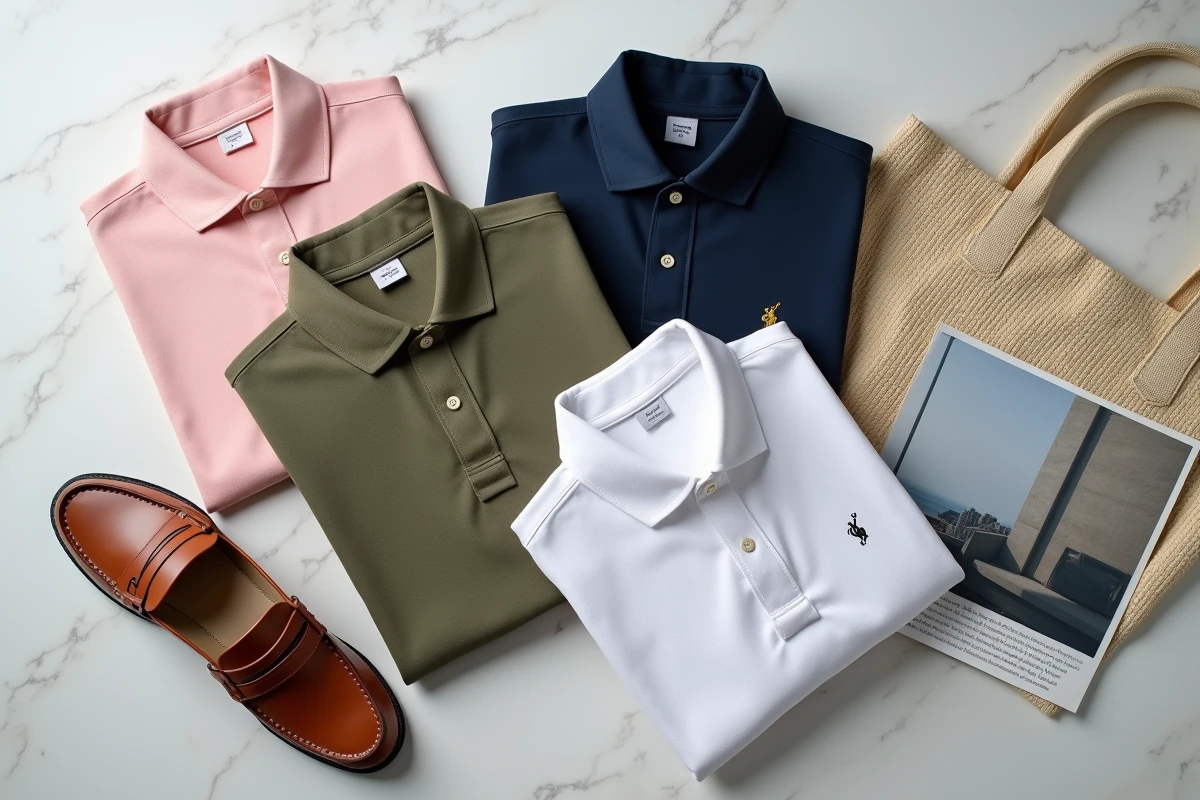
Price positioning and brand perception: where the battle is fought
The competition between Lacoste and its rivals is not limited to a list of names. It plays out across three simultaneous axes:
- The perceived quality-price ratio, where Ralph Lauren and Hugo Boss benefit from a slightly more premium image in certain markets
- The ability to renew collections without betraying brand identity, an exercise where creative collaborations have become a strategic lever
- Distribution, particularly online, where sports brands and fast fashion have more agile infrastructures
The dress code associated with Lacoste, long perceived as bourgeois-classic in France, has evolved thanks to the brand’s adoption by streetwear culture. This phenomenon, shared with Fred Perry and to a lesser extent with Ralph Lauren, has opened new customer segments while complicating positioning.
Lacoste is fighting on multiple fronts, from European premium to global sports lifestyle. The company must balance loyalty to its elegant sports brand heritage with adaptation to a fashion market where the boundaries between segments are blurring. Its most formidable competitors are not those selling the same product, but those capturing the same purchasing intent from the consumer.