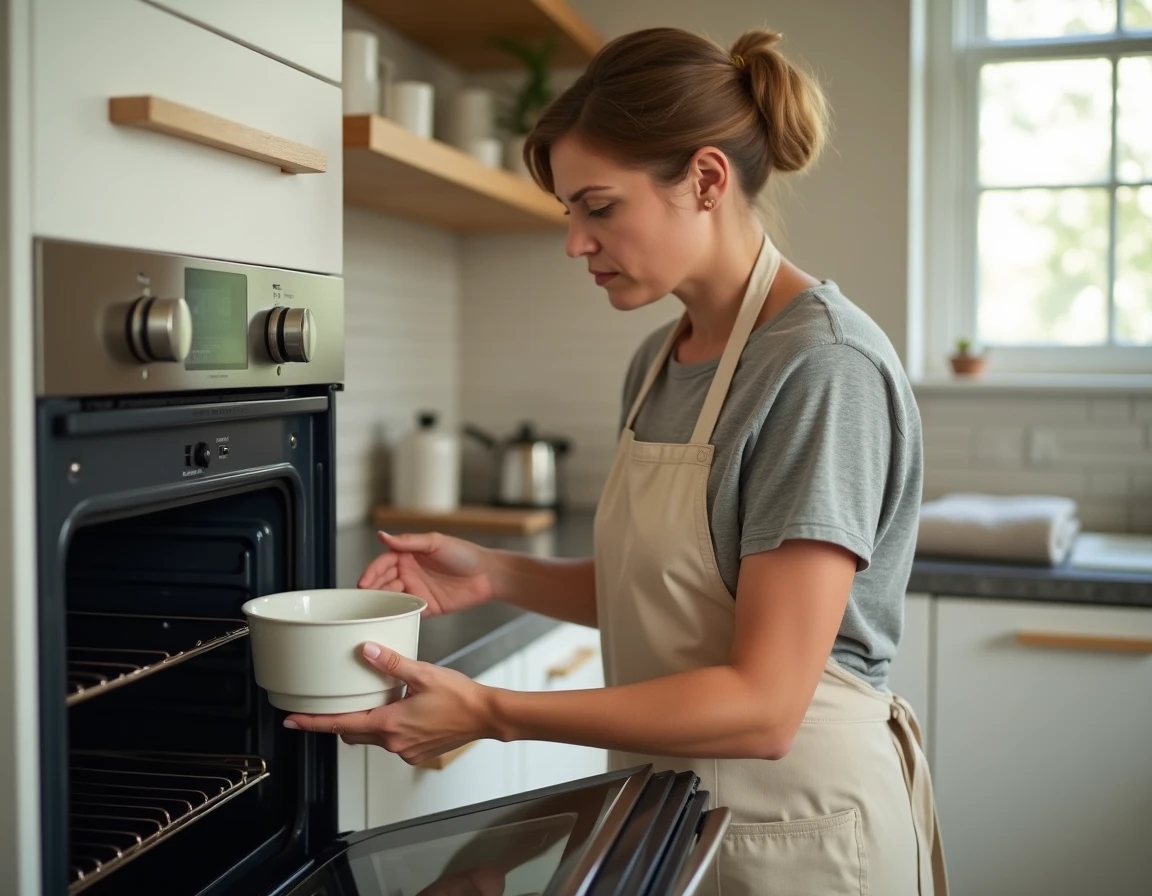
Generating steam in a conventional oven does not require changing appliances. The question is rather about the level of humidity achievable and the methods that produce a result close to that of a dedicated steam oven. Several approaches coexist, from a simple container of water placed on the oven floor to stainless steel accessories designed to gradually diffuse steam. Their effectiveness varies depending on the type of cooking aimed at: bread, vegetables, meat, or pastries.
Humidity level and temperature: what each method actually produces
An integrated steam oven regulates humidity through a water reservoir and a steam generator (internal or external to the chamber). A traditional oven, on the other hand, does not control the humidity level. That’s where the difference lies.
| Method | Type of steam | Humidity control | Suitable uses |
|---|---|---|---|
| Water dish on the oven floor | Brief steam, evaporates quickly at high temperature | None | Bread, brioche (initial steam burst) |
| Dedicated stainless steel humidifier (e.g., Mathon) | Progressive steam, longer diffusion | Limited (no sensor) | Bread, roasts, root vegetables |
| Manual sprayer + hot baking tray | Intense and short steam peak | None | Baking (thin crust) |
| Covered pot or dish | Trapped steam around the food | Indirect (closed chamber) | Fish, poultry, vegetables |
| Integrated steam oven (low pressure) | Regulated steam from 40 °C to 100 °C | Sensor + thermostat | All types of cooking |
The dividing line is clear: a traditional oven produces steam without ever regulating it. The result therefore entirely depends on the method chosen and the timing of when the water is introduced.
To delve deeper into each technique and its variations, you can discover how to create steam in an oven with Cookinette, which details the options step by step.
Hot baking tray and sprayer: the baker’s method in a home oven
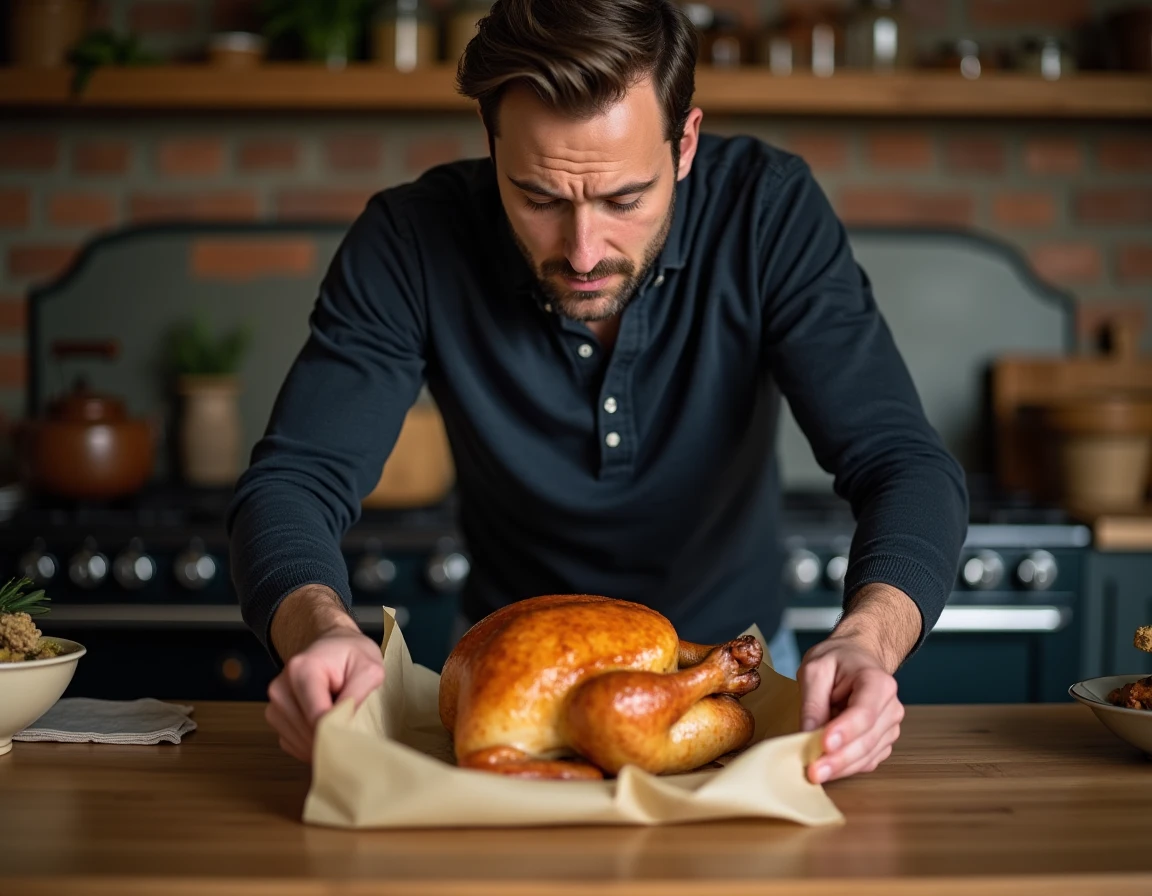
The most commonly used technique for homemade bread involves preheating an empty baking tray in the oven, then pouring boiling water into it at the moment of baking. The thermal shock generates an intense steam peak that envelops the dough during the first minutes of cooking.
It is precisely this peak that allows for the formation of a thin and shiny crust on the bread. Without this initial humidity, the surface of the dough dries too quickly, the crust thickens, and the bread’s development remains limited.
A common addition: spraying water on the oven walls with a sprayer just after placing the bread in the oven. This combination (baking tray + spray) replicates the steam burst of professional bakery ovens.
- Preheat the baking tray for at least twenty minutes with the oven so that it is scorching when it comes into contact with the water
- Use boiling water (not cold) to maximize steam production and limit temperature drop in the chamber
- Remove the baking tray after the first ten minutes to allow the crust to dry and harden naturally
This method only works well at high temperatures. Below 200 °C, the water evaporates too slowly to create a true steam burst.
Stainless steel oven humidifier: a compromise between the water dish and the steam oven
In recent years, dedicated accessories like the Mathon stainless steel oven humidifier have appeared on the market. Their principle: a container designed to gradually diffuse steam rather than releasing all the water at once.
However, this type of accessory does not replace an integrated steam generator. It does not maintain a constant humidity level in the oven chamber. The steam decreases as the water evaporates, without the possibility of automatic readjustment.
The interest mainly lies in long cooking times where moderate humidity is sufficient: poultry roasts, root vegetables, certain cakes. For these preparations, a stainless steel humidifier prevents drying out without drowning the food.
Aromatic steam: flavoring the water to enhance taste
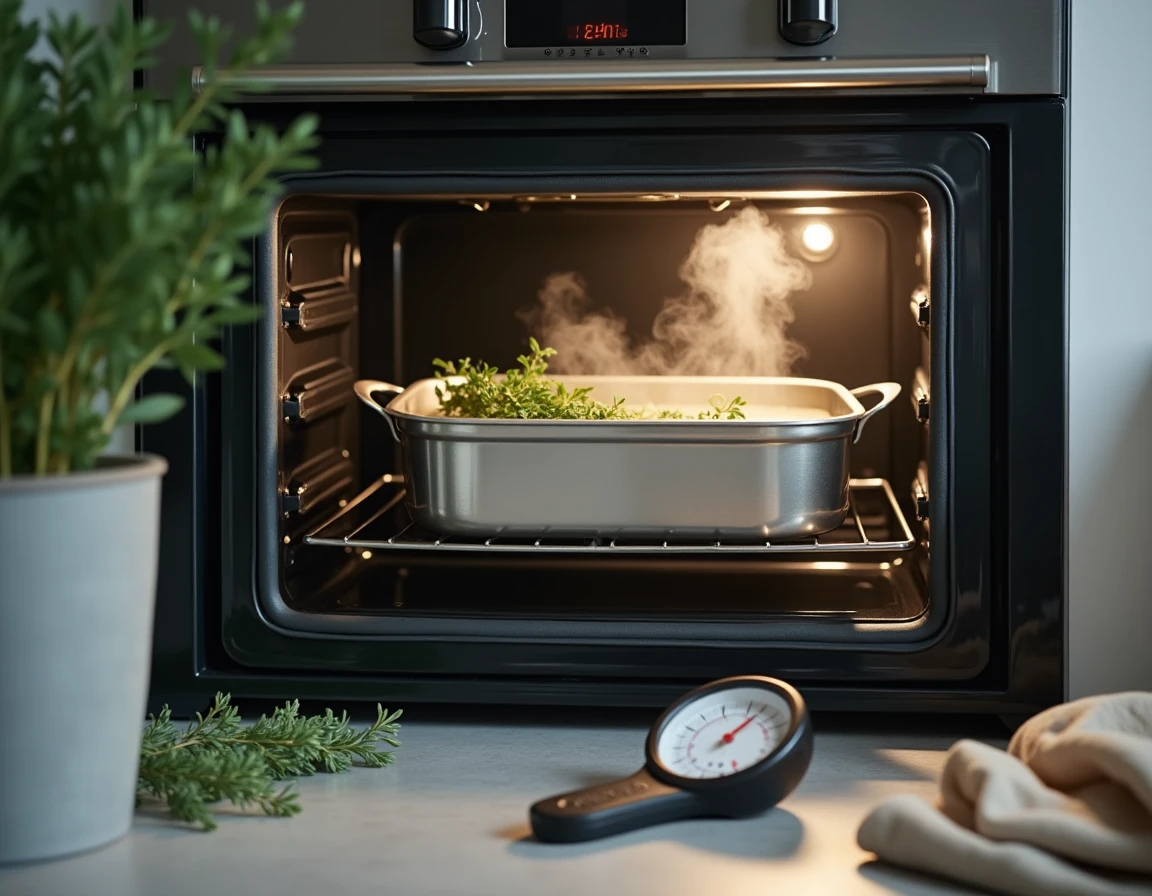
An interesting variant, stemming from gentle Asian steam cooking, involves adding herbs directly into the water of the humidifier or the dish placed on the oven floor. Broth, fresh herbs, citrus zest, or whole spices infuse with the steam and delicately flavor the food.
This approach works best at moderate temperatures (between 150 °C and 180 °C). Beyond that, the aromatic compounds degrade too quickly to have a perceptible effect on the dish.
Covered pot and papillote: creating a steam chamber inside the oven
The cast iron pot with a lid and the parchment paper papillote operate on a different principle. Instead of diffusing steam throughout the oven, they trap moisture around the food in a closed space.
The result is closer to true steam cooking for proteins and vegetables. Fish in papillote, for example, cooks in its own steam without direct contact with a liquid, preserving its texture.
The cast iron pot offers an additional advantage for bread: the thermal mass of the container combined with the trapped steam replicates the conditions of a bakery oven more reliably than the baking tray method alone. The crust obtained is often more even.
- The pot should be preheated empty during the oven’s temperature rise to accumulate enough heat
- The papillote works best for short cooking times (fish, delicate vegetables) as the reduced space quickly saturates with steam
- Adding one or two tablespoons of water, wine, or broth in the papillote speeds up the humidity increase
Concrete limits of a traditional oven transformed into a steam oven
None of these methods replicate the regulation of a low-pressure steam oven, which continuously adjusts the humidity level and steam temperature. A combined steam oven has a water reservoir, a dedicated steam mode, and, on some models, a humidity sensor in the chamber.
With a conventional oven, humidity remains approximate and decreases over the course of cooking. For bread and roasts, where only the first few minutes matter, this is sufficient. For full steam cooking of vegetables or fish at low temperatures, the result will be less precise than with a dedicated appliance.
The choice of method therefore depends on the intended dish. A steam burst for bread requires the baking tray. Gentle cooking of fish calls for the papillote or the pot. The stainless steel humidifier covers an intermediate spectrum for long cooking at medium temperatures. Each approach has its area of relevance, and none covers them all.