
Every year, over 2.5 million professionals work in the tourism sector in France, a field where the diversity of career paths remains largely unknown. Contrary to popular belief, tourism jobs are not limited to hospitality or entertainment. From short training programs to specialized university courses, a multitude of paths are available to those who wish to join this universe. The variety of skills required reflects the complexity and dynamism of a constantly evolving sector.
The tourism sector: a universe rich in opportunities
With more than 2.7 million active workers, the tourism sector occupies a strategic position in the French economy. Its face is constantly changing: digitalization reshuffles the cards, travelers demand more authenticity, and tailored service is becoming essential. The question of sustainable tourism permeates all discussions, altering the landscape for both professionals and clients. Today, it is impossible to ignore this transition: experience is paramount, and so is responsibility.
Job opportunities in the sector have expanded at a breakneck pace. Gone are the preconceived notions surrounding reception or the simple travel agent. We now find a multitude of new roles.
- Event project management;
- Territorial development consulting;
- Ecotourism facilitation;
- Data analysis for luxury hospitality;
- Community manager or digital marketing specialist applied to tourism.
This dynamic of diversification aligns with visitor expectations: whether they are art lovers, avid foodies, nature enthusiasts, business travelers, or seeking unique experiences, each profile expects a concrete and personalized response. In the luxury tourism sector, this takes the form of an even more refined service, at the intersection of multicultural management and the pursuit of excellence.
Want a job that knows no routine? Let’s take a concrete example: the page msc croisiere reveals a profession that challenges the norms, that of a travel tester, symbolizing a professional adventure as rare as it is sought after. This sector invites one to draw on adaptability, to reinvent oneself in response to demand, and to combine creativity with ecological responsibility to offer meaningful stays.
What training to choose to start or advance in tourism?
It is impossible to establish oneself in the tourism sector without embracing the diversity of skills. Training programs are also evolving: from the BTS Tourism to anchor the fundamentals of management, organization, and customer relations, to specialized courses in tourism management or digital communication focused on project management and digital innovation.
The quest for distinctive certifications is becoming increasingly important. The WSET propels wine experts into gastronomic tourism and event roles, while other programs focus on dual skills, combining oenology, culture, and experience. The Butler Academy paves its way in the luxury hospitality sector, training true conductors of personalized service, well-versed in cultural diversity and demanding international codes.
Several programs are shaping the new generation of professionals and reflecting the depth of the offering:
- Ecotourism training: perfect for transforming thoughts on sustainable tourism into concrete action on the ground.
- Data science pathway: deciphering traveler behavior and personalizing offers makes perfect sense here.
- Specialization in territorial development: creating immersive experiences, energizing a territory, driving local projects.
Entering or progressing in this sector relies on a balance between academic teaching and operational skills. The continuing education offering is growing: from tourist guide to event manager, from agency advisor to ecotourism facilitator, it is possible to refine one’s path and specialties as the sector adapts and reinvents itself.
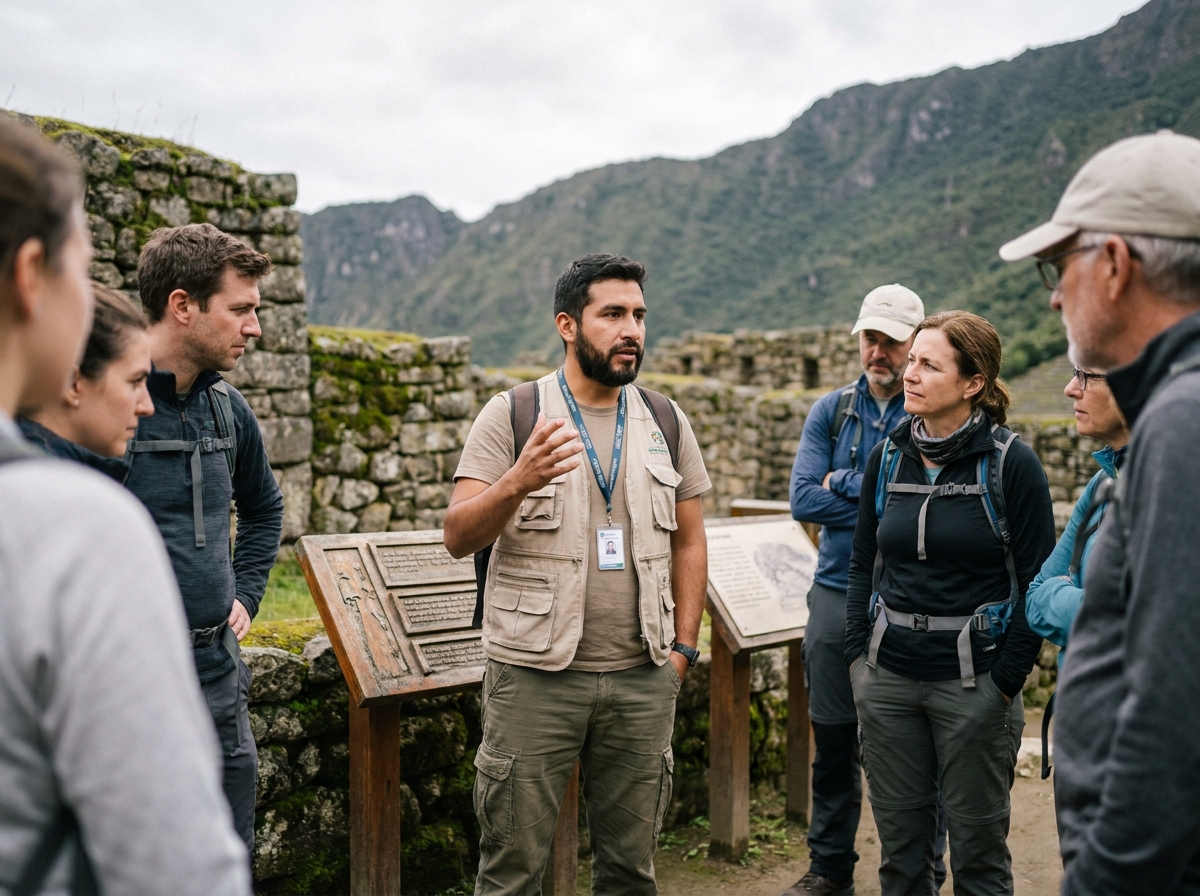
Desired skills and key missions of tourism professionals
No tourism professional wears just one hat. It is impossible to reduce this sector to a fixed role: one must add a solid sense of expertise to their transversal skills. And this applies as much to multilingual communication as to project management or creativity applied to each mission.
The emergence of sustainable tourism and the explosion of digital tools open the door to new roles. We think of the high-end tourism manager focused on sustainable development, the luxury data analyst, the top-notch community manager. Tourist guides, on the other hand, must combine language mastery, the art of storytelling, and the use of digital tools to enhance each visit, sometimes even incorporating augmented reality. Whether in Lyon or New York, the customer experience knows no routine.
What soft skills and missions are most sought after by employers? Here are the sector’s expectations today:
- Welcoming and listening: reassuring, adapting one’s speech, capturing the attention of diverse audiences.
- Organization and adaptability: juggling the unexpected and orchestrating complex logistics.
- Creating unique experiences: imagining refined wellness stays, nature excursions, high-end wine tours.
- Eco-responsible responsibility: every project benefits from having a green dimension, obtaining labels and certifications proves this.
The management of customer experience has become a reliable value in the sector. Sharp analysis of expectations, personalization, and engagement on social networks all push towards uniqueness and quality demands. An original organic tour in Canada, a tailor-made adventure in Madagascar: every day, tourism professionals invent new horizons and push the boundaries of the classic.
Ultimately, tourism is much more than just a sector of activity. It is the chance to surprise, innovate, and open up every day a space where curiosity and the desire to go further never tire.