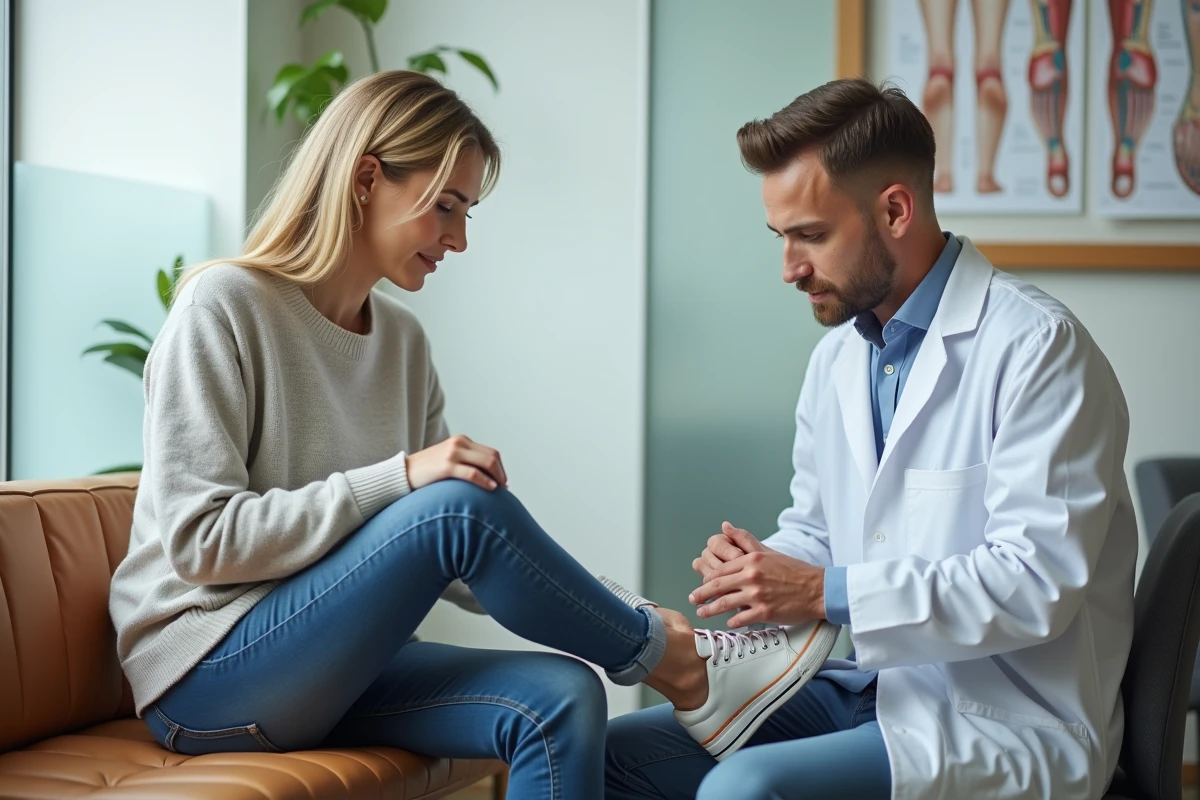
Recent figures indicate a marked increase in consultations for foot pain among fans of certain trendy sneakers. Several podiatrists point to a direct link between these models and the emergence of plantar pathologies. Despite their commercial success, these shoes raise concerns among health professionals.
In light of the wave of patient testimonies and repeated alerts from specialists, the reputation for comfort attributed to these products is wavering. Long-term effects on foot health are worrying, prompting a re-evaluation of selection criteria and recommendations regarding footwear.
Why podiatrists are concerned about the success of Skechers shoes
In clinics, consultations for plantar pain after several weeks with Skechers are multiplying, affecting both adults and children. This phenomenon is no longer anecdotal: it is fueling an increasing concern among specialists. The brand, omnipresent in French households, raises a fundamental question: why do podiatrists advise against Skechers when the brand’s communication promises unprecedented comfort?
The answer lies in the very design of these shoes. The thick memory foam soles, promising at first glance, are appealing due to their softness. However, this softness, taken to the extreme, ultimately harms stability and disrupts the body’s natural alignment. The result: weakened arches, joint pain, and increased muscle fatigue. Both adults and children pay the price for apparent comfort.
To maintain balance and foot health over time, professionals emphasize one principle: foot support is paramount. Many Skechers models neglect lateral support and heel rigidity, which exposes younger individuals, who are still growing, to greater risks. The allure of fashion and the appeal of softness should never overshadow the importance of prevention. In the family, everyone should think twice before succumbing to mere instant comfort.
Skechers: promises of comfort that hide unsuspected risks for the feet
At first glance, the argument is appealing: flexible sole, soft feel, trendy design. The brand’s advertising campaigns focus on an immediate sensation of lightness, a trend that attracts both young and old. But behind this flattering image, podiatrists observe a more discreet downside. Used daily, Skechers expose wearers to unsuspected risks for foot health.
The famous thick memory foam sole acts like a cozy cushion, but this technology, intended to absorb shocks, ultimately destabilizes posture. Heel pain, the onset of plantar fasciitis, and biomechanical issues: cases are multiplying among both adults and children, often drawn by the style. Excessive flexibility does not replace true support: the arch and overall stability suffer.
The following points help to better understand the limitations of these shoes:
- Immediate comfort: the sensation is pleasant, but the effect fades quickly
- Value for money: questioned by health professionals
- Health consequences: emergence of joint pain, muscle fatigue, risk of progressive foot deformation
Fashion, advertising, and the search for well-being are not enough to mask the real impact of these shoes on foot health. Specialists remind us: advertised comfort guarantees nothing over time. It is becoming urgent to reassess selection criteria to protect gait and balance over time.
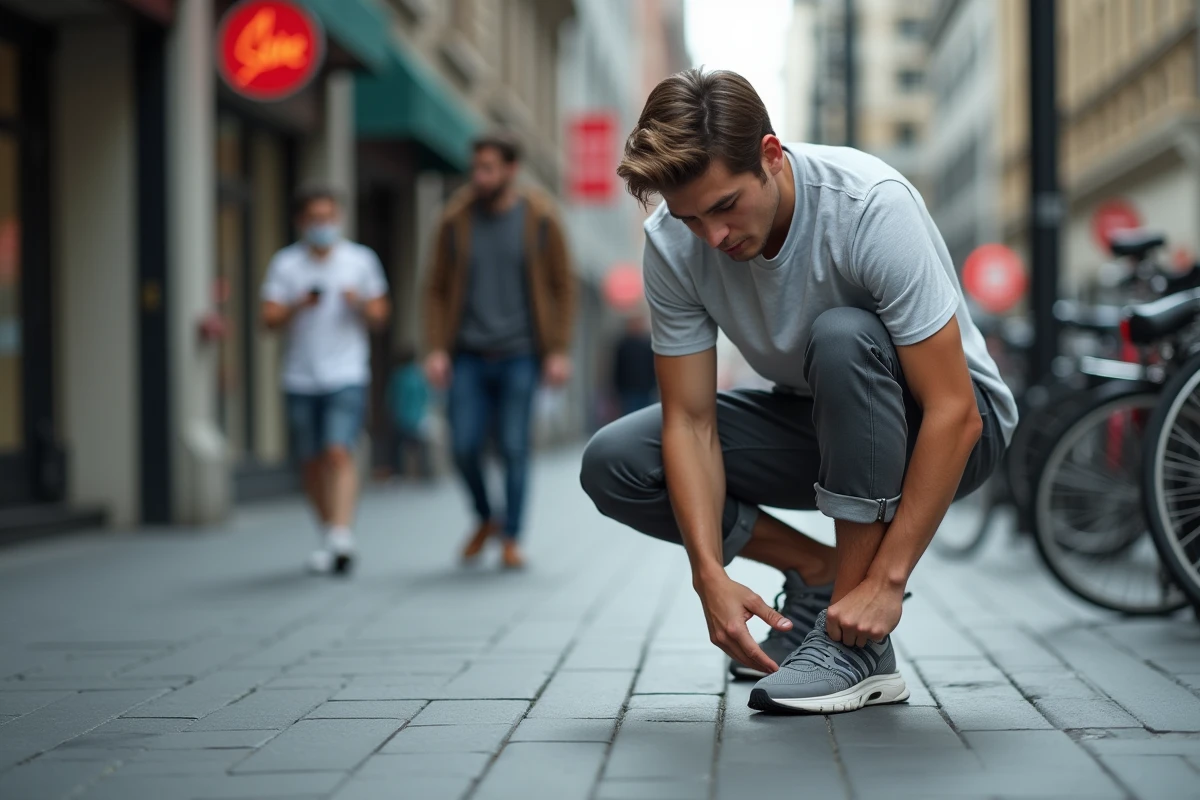
How to adopt a healthier approach to choosing shoes in daily life
Choosing a suitable pair is neither a matter of chance nor just an aesthetic crush. Podiatrists emphasize: one must choose a structured shoe that can support the foot without constraining it. Heel support, a sole that is soft but not too much, and enough space for the toes: these are key points to keep feet healthy at all ages.
In the face of the temptation of softness, it is better to remain vigilant. Too thick or too soft soles are often the source of imbalances and muscle fatigue. It is better to aim for a midsole that absorbs without collapsing and supports walking without distorting it. With each purchase, a few checks are essential:
- The heel counter must provide real support
- The front of the shoe must offer enough space to allow natural toe movement
- The sole must conform to the shape of the foot without crushing it
- The materials must allow for good ventilation
In children, monitoring is intensified. Their growth requires shoes to be renewed, adapted to the rapid evolution of their morphology. Adopting good habits means caring for the foot health of the entire family. Podiatrists recommend being attentive to signals: pain, discomfort, and unusual wear should raise alarms. Opting for a more informed approach is investing in longevity, true comfort, and mobility, far from flashy claims and instant promises.