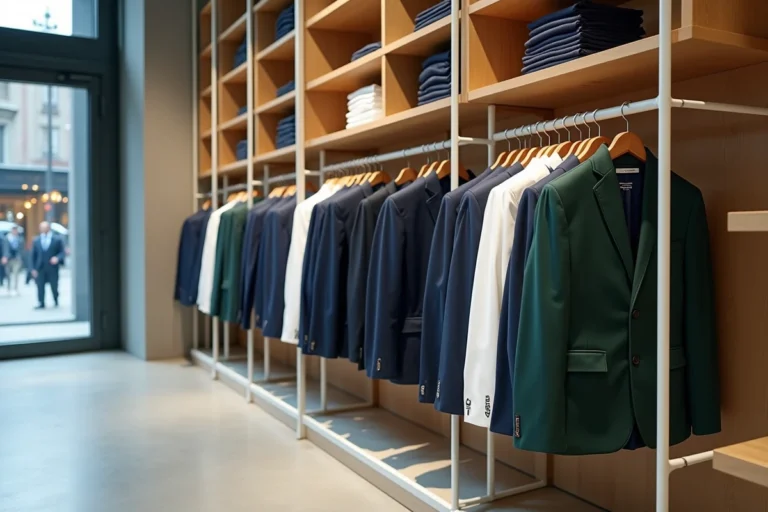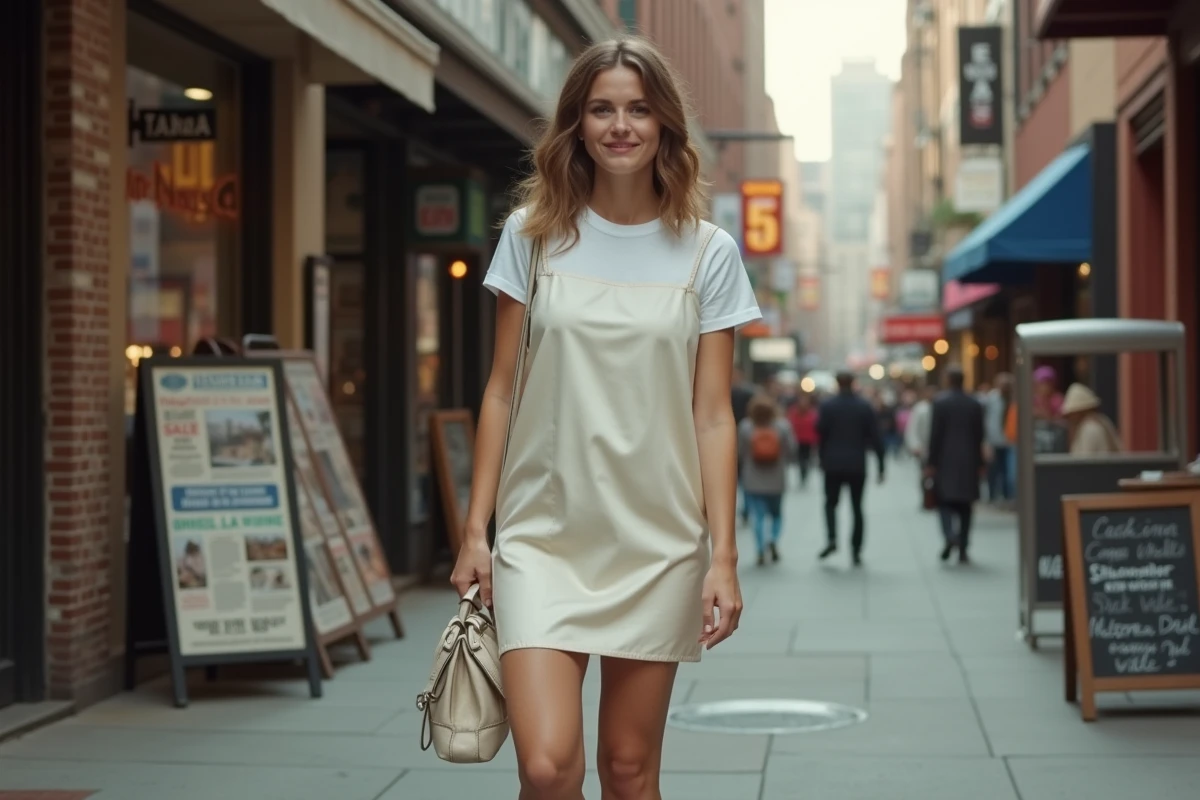
The fashion of 1995 is situated at a precise crossroads: the grunge inherited from the early part of the decade coexists with minimalist silhouettes and futuristic proposals put forth by designers like Thierry Mugler and Hussein Chalayan. This year concentrates several stylistic shifts, the traces of which remain visible in current collections.
To understand how these clothing codes have traversed three decades, the fashion trends of 1995 on Aleph Zarro provide a detailed overview of the pieces and silhouettes that defined this pivotal year.
Polished Grunge: How the 1995 Style Differs from Original Grunge
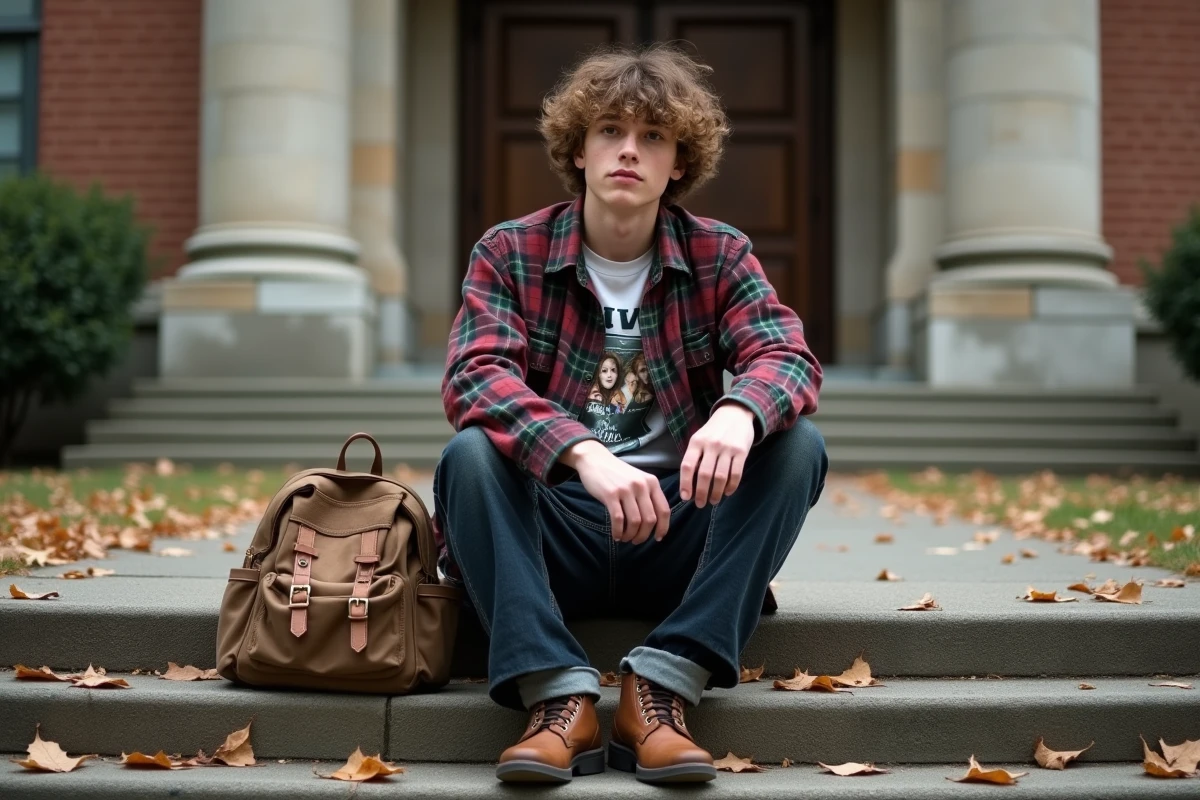
The grunge as it existed in 1992-1993, driven by the Seattle music scene, relied on deliberately worn clothing, deconstructed flannels, and a conscious rejection of haute couture codes. By 1995, this clothing vocabulary had already mutated.
Designers like John Galliano and Alexander McQueen reclaimed the raw textures of grunge to integrate them into structured collections. The result: a grunge reworked by couture, where the flannel shirt became a tailored piece, and where faded jeans were paired with noble materials.
This distinction matters because it explains why grunge is returning today in an even more filtered form. Analyses of the fall-winter 2024-2025 collections published by Vogue Runway and The Business of Fashion confirm this trend: the current grunge revival is selective, not total. Fashion houses are picking elements (layering, heavy textures, dark palettes) without reproducing the careless total look of the beginnings.
Minimalist Silhouettes and Futuristic Style in 1995
Alongside revisited grunge, 1995 saw minimalism establish itself as a dominant trend. Jil Sander embodied this approach with clean cuts, neutral colors, and a focus on material rather than ornamentation. The garment was sufficient unto itself.
The opposing pole, equally active that year, was the futuristic style championed by Thierry Mugler and Hussein Chalayan. Mugler offered sculpted silhouettes incorporating references to cyborgs, with rigid materials and exaggerated lines. Chalayan explored technology and architecture in his pieces, blurring the boundary between clothing and object.
These two directions, minimalism and futurism, shared a common point: they rejected decorative overload. One through subtraction, the other through formal radicality. This tension produced some of the most memorable runway shows of the decade.
Accessories and Platform Shoes
Platform shoes are one of the most recognizable visual markers of 1995. Worn with both long dresses and jeans, they added a sculptural dimension to sometimes very simple outfits.
The accessories of this era followed the same logic of contrast: compact bags, discreet jewelry in the minimalist vein, or on the contrary, imposing metallic pieces from futuristic designers. In 2025, this revival mainly comes through accessories and shoes rather than complete outfits, as highlighted by Vogue France and Elle France in their recent analyses.
Cultural Icons and Designers Who Defined 1995 Fashion
The fashion of 1995 is not limited to clothing pieces. It owes a large part of its dissemination to public figures who transformed clothing into cultural symbols.
- Gwen Stefani and the Spice Girls popularized a style blending sportswear, crop tops, and platforms, making street fashion inseparable from the pop culture of the time.
- RuPaul presented a flamboyant and unrestrained vision of clothing, expanding gender codes in mainstream fashion.
- Kim Gordon, with her brand X-Girl, created a direct bridge between the alternative music scene and ready-to-wear, offering accessible pieces inspired by New York streetwear.
- Models like Amber Valletta embodied the haute couture side of this period, collaborating with Versace and appearing in campaigns that defined the decade’s aesthetic.
On the designer side, Vivienne Westwood, Dries Van Noten, and Jean Paul Gaultier each brought a distinct interpretation of 1995. Westwood added a punk-aristocratic dimension, Van Noten worked with prints and ethnic layering, and Gaultier mixed haute couture with street references with a freedom that few other houses allowed themselves.
The Return in Fragments: How 1995 Influences Fashion in 2025
The revival of 1995 codes does not take the form of a faithful reconstruction. The revival occurs in fragments, piece by piece, rather than through reconstructed total looks.
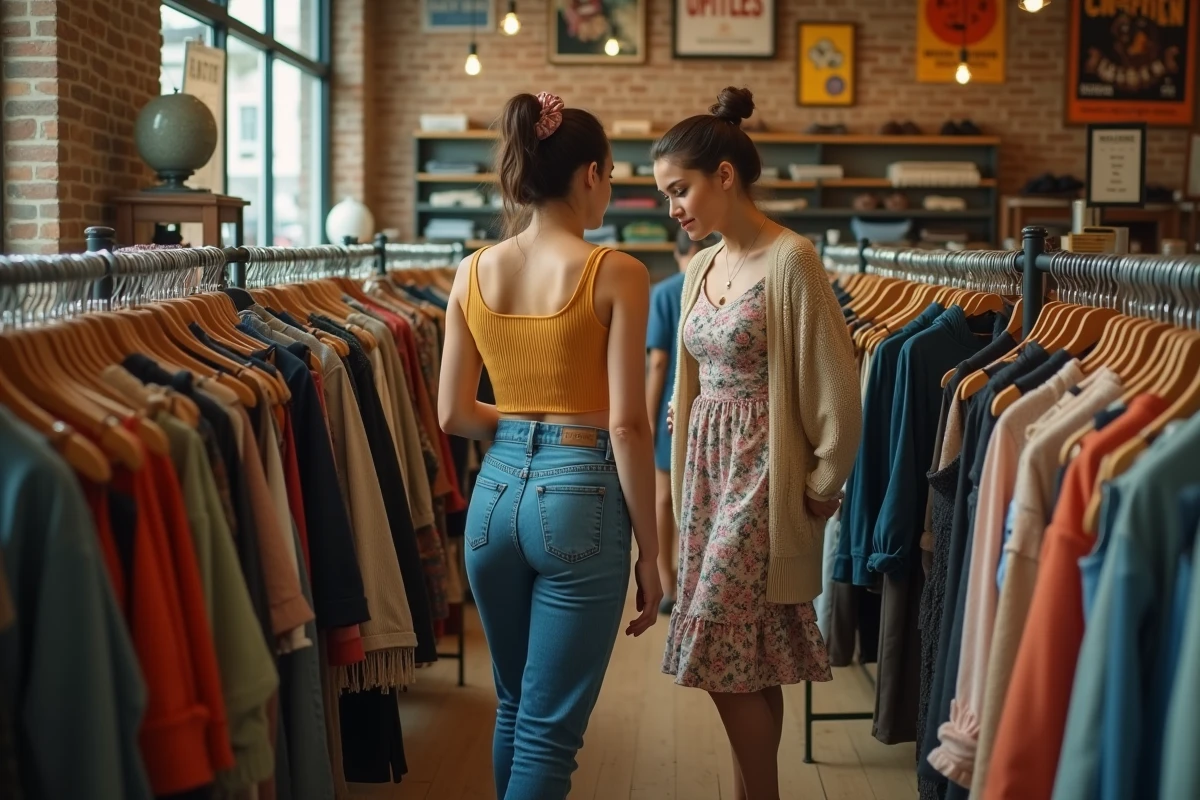
The satin shirt of the 90s, for example, is returning in current collections paired with contemporary jeans. Elle France noted this return, describing it as natural, as the cut of these shirts adapts to current silhouettes. Micro-skirts and very low cuts, on the other hand, are beginning to fade in favor of more structured and covering lines.
The market for vintage and archive pieces amplifies this phenomenon. Original garments from the 1995 collections, particularly those signed by Versace or Mugler, are traded on specialized resale platforms. This archive economy transforms worn clothing into collectible objects, altering the very perception of what it means to “wear 1995” today.
The fashion of 1995 remains an active reservoir of references because it combined opposing currents within the same year. Grunge coexisted with minimalism, futurism with streetwear. This diversity allows current creators to draw from a wide register without falling into literal citation, which explains the longevity of this year as a stylistic reference point.