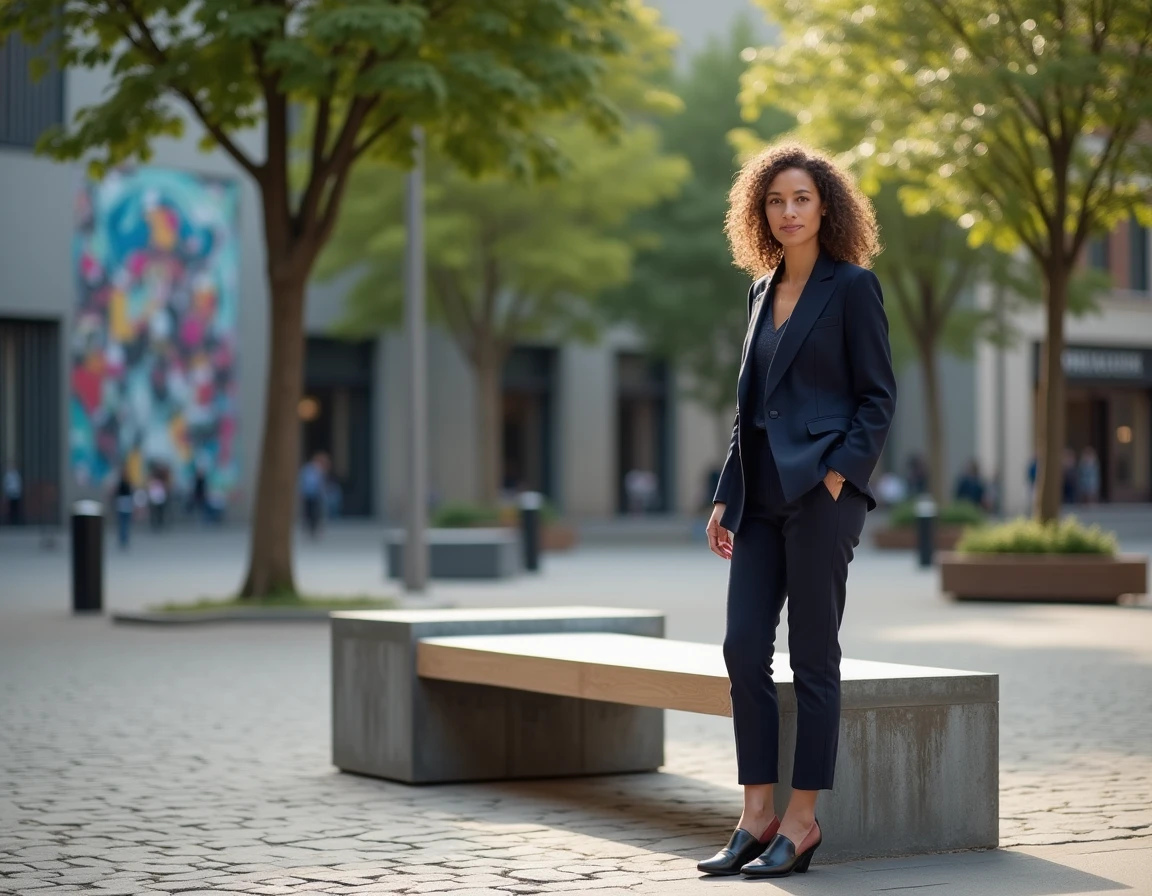
A raw concrete bench placed in the middle of a deserted square, without shade or vegetation: this is what results from urban planning thought of only from a technical perspective. Design applied to public space changes the game. It transforms transit areas into places where residents stop, sit, and chat. Creative urban planning is not just decoration; it shapes how a city is experienced on a daily basis.
Sound design in the city: an underutilized urban planning lever
Have you ever noticed that a park seems pleasant without being able to explain why? The answer sometimes lies in sound. Several European cities, including Paris, Brussels, and Zurich, have been developing soundscape design projects for a few years now.
The principle: instead of simply reducing noise, we create a sound landscape. Fountains whose flow varies with the time of day, furniture that emits natural sounds, flooring that absorbs aggressive frequencies. These interventions are not visible, but they profoundly change the experience of a public space.
This type of project illustrates how creativity goes beyond the visual dimension of planning. A space can be redesigned by what we hear as much as by what we see. The urban design projects documented on designenville.fr show this trend of treating public space as a holistic experience, not just as a floor plan.
Tactical urbanism and temporary prototypes: testing before building
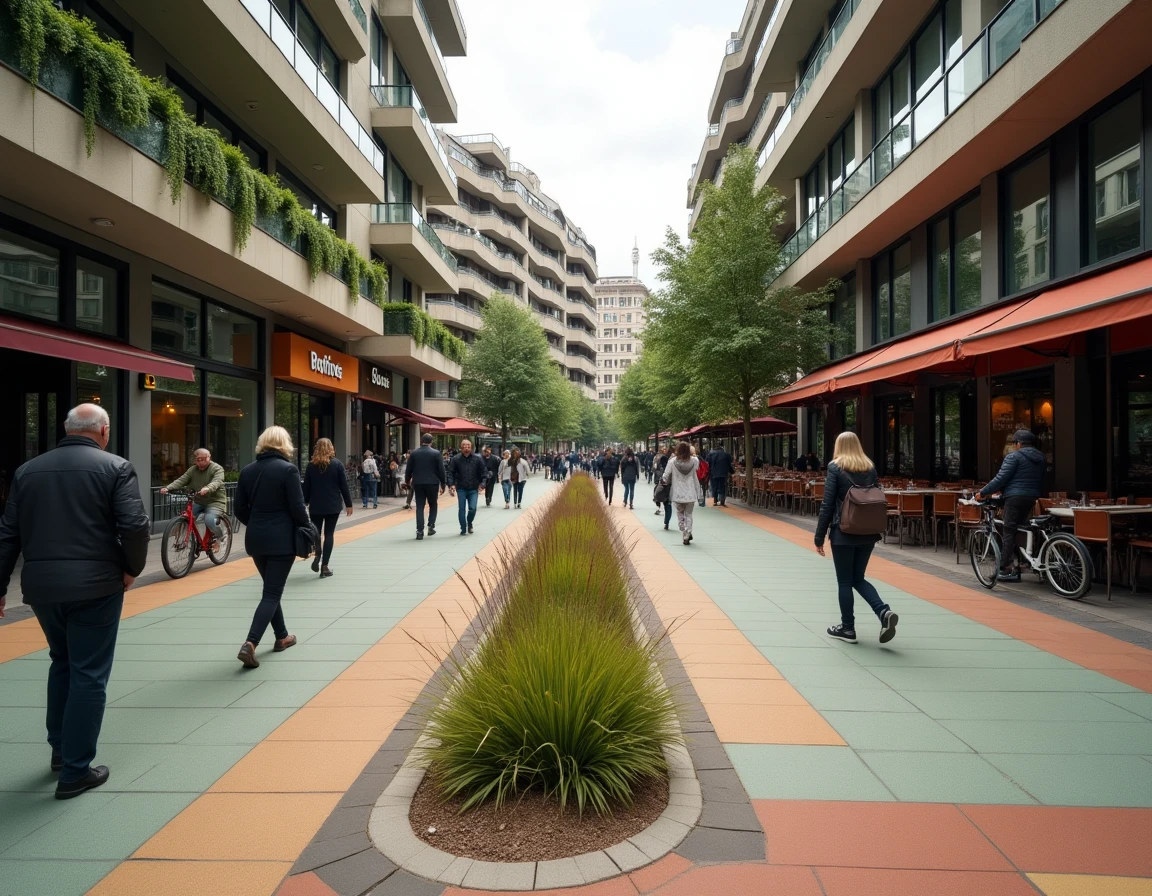
Painting a crosswalk in color, installing temporary wooden seating in a square, closing a street to traffic for a weekend: these actions fall under tactical urbanism. The concept is simple. We test a low-cost design before deciding if it deserves a lasting investment.
Why does this approach work? Because it eliminates the risk of a fixed project that does not correspond to actual usage.
- A prototype of a temporary bike lane allows us to observe the real flows of cyclists and pedestrians before pouring concrete.
- Mobile planters placed at the roadside test residents’ reactions to a reduction in car space.
- Temporary seating made from recycled materials reveals where people prefer to sit, guiding the placement of permanent furniture.
The Climate and Resilience Law of 2021 and the reform of public participation strengthen the obligation for consultation in planning projects in France. Local authorities are increasingly turning to participatory design to meet these requirements: tactical urbanism workshops, walking diagnostics with residents, co-design of furniture.
The temporary prototype transforms the citizen into a tester before they become a user. This method reduces costly mistakes and produces public spaces that are better suited to needs.
Materials and greening: when technical choices become design acts
Urban design is not limited to the shape of a bench or the color of a surface. The choice of materials determines durability, thermal comfort, and the visual identity of a place.
Wood, corten steel, fiber-reinforced concrete: each material tells a story
A corten steel planter that patinas over time does not have the same effect as a gray plastic planter. The former ages, integrates into the landscape, and acquires texture. The latter degrades.
The material is the primary design choice in urban planning. Communities that invest in noble materials (certified wood, local stone, raw metal) obtain public spaces that gain character over the years instead of degrading.
Creative greening of public spaces
Integrating vegetation into urban furniture is not just about placing a shrub in a pot. The most advanced projects merge structure and plant. Some green canopies combine a canopy of climbing plants with a steel framework, creating natural shade in summer while allowing light to pass through in winter.
Greening becomes a tool for thermal regulation as well as an aesthetic element. In city centers affected by heat islands, an elevated urban garden or a planted façade can change the perceived temperature by several degrees.
Creativity and public policy: design as a method of urban governance
The European Commission has been encouraging the integration of creative design as a public policy tool for several years, through dedicated programs and calls for projects. This movement goes beyond simple artistic commissions.
In concrete terms, this means that design no longer intervenes at the end of the chain (choosing the color of already designed furniture), but from the diagnostic phase. A service designer works with residents to identify usage problems before an architect draws anything.
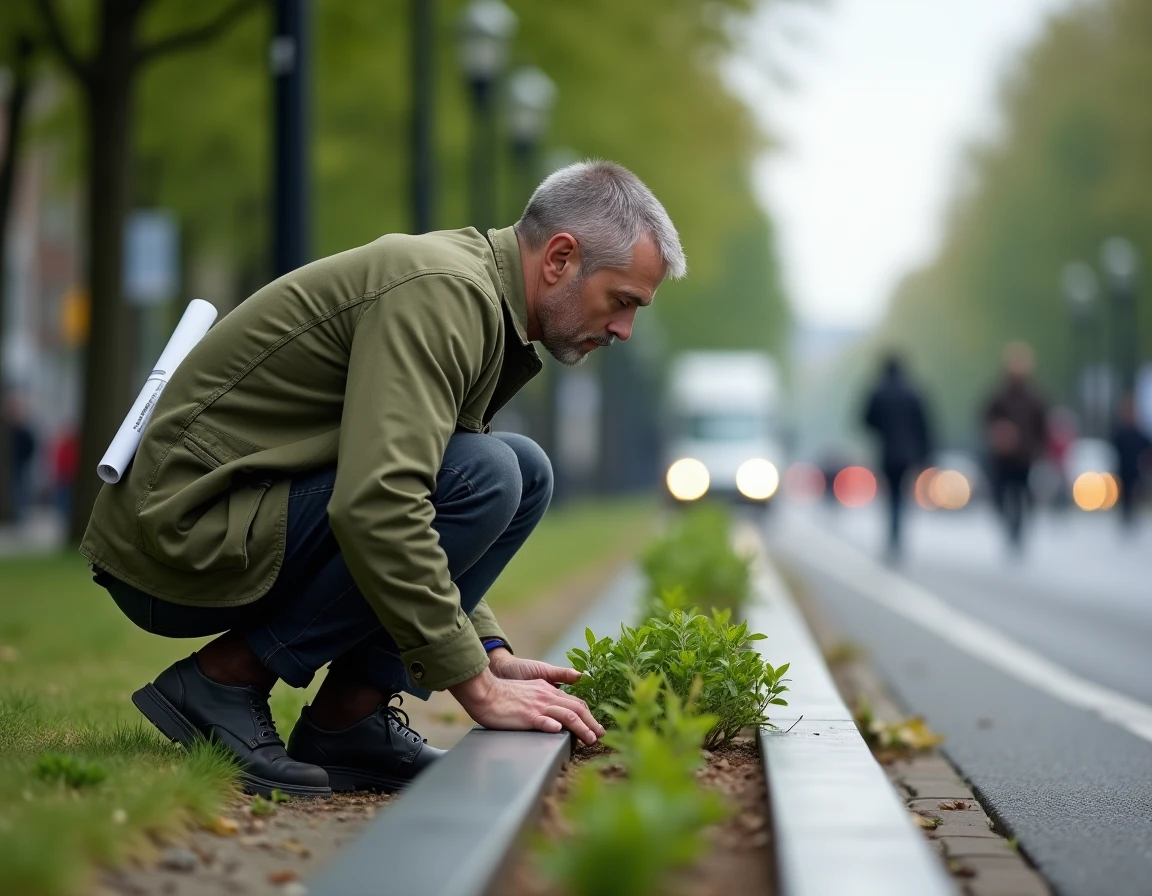
- Walking diagnostics involve residents, designers, and technicians to identify the dysfunctions of a neighborhood at the pedestrian scale.
- Co-design workshops produce models and scenarios tested in real conditions before validation.
- Creative calls for projects impose evaluation criteria that incorporate usage innovation, not just technical compliance.
Design becomes a governance method, not a decorative supplement. Cities that adopt it at this level achieve developments that are more coherent with the actual practices of their residents.
Creative urban planning relies on three concrete levers: treating space as a holistic sensory experience, testing before finalizing, and integrating design from the political decision-making stage. Cities that combine these approaches produce public spaces where furniture, vegetation, and atmospheres form a whole. The result is not measured in aesthetics, but in attendance: a well-designed place attracts, while a poorly thought-out place remains empty.