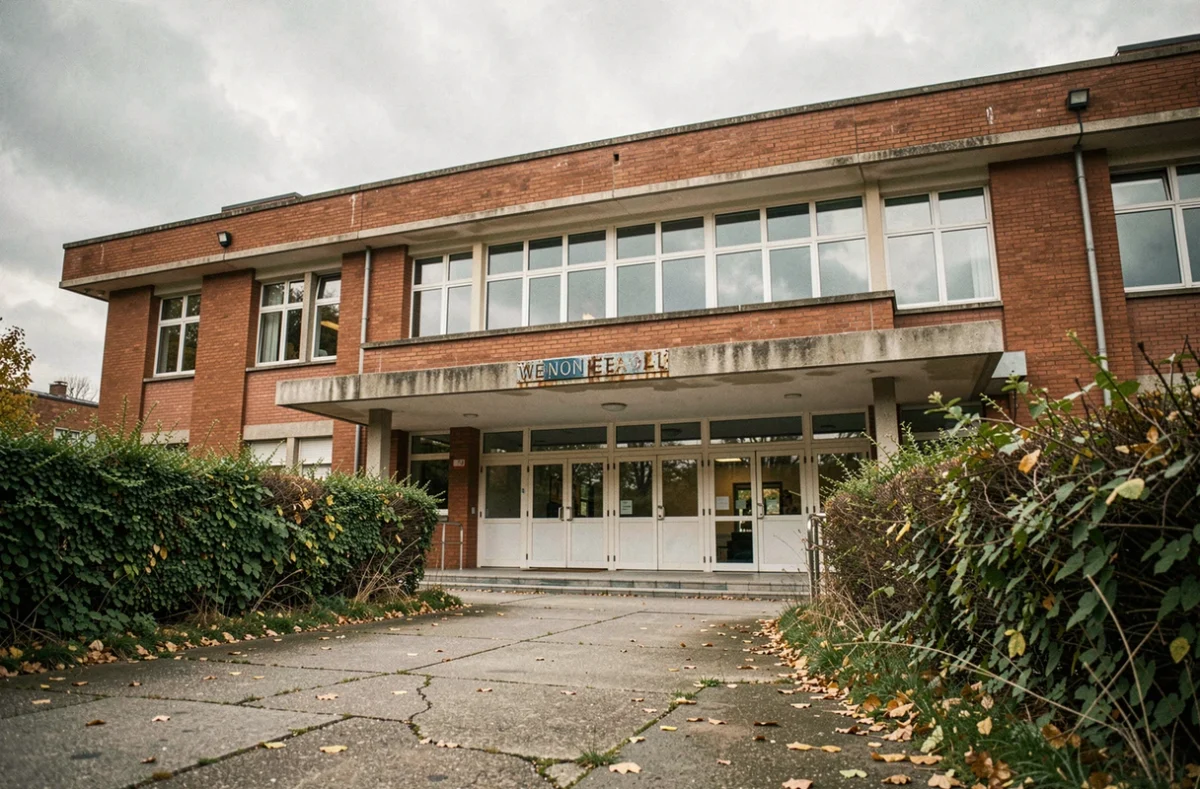
The municipal swimming pool in Wattignies, in the Lille metropolitan area, opened in the 1970s before being replaced in 2019 by a completely new facility called Zen&O. This transformation, the city’s most significant investment in forty years, marks a shift from a standard pool to an aquatic complex designed for a range of uses.
Wattignies swimming pool in the 1970s: a facility born of national policy
In the late 1960s, many French municipalities built indoor pools based on broadly similar plans, as part of a national policy to expand swimming instruction on a large scale. The former Wattignies swimming pool was part of this wave of public investment.
These standardized pools shared several features: a modest-sized main pool, communal changing rooms and functional, unadorned architecture. They played a major role in making school swimming lessons and local aquatic sports accessible to more people. To learn more about the history of the Wattignies swimming pool, the local timeline shows just how much this place meant to several generations of Wattignisiens.
The problem, documented nationwide, is that pools from this generation have generally aged poorly. Reports on aquatic facilities built in the 1970s describe buildings facing structural problems, worn-out hydraulic systems and energy performance far below today’s standards. The question was no longer whether to renovate, but whether renovation alone would be enough given the scale of the work required.
Energy consumption at a municipal swimming pool: what modernization really changes
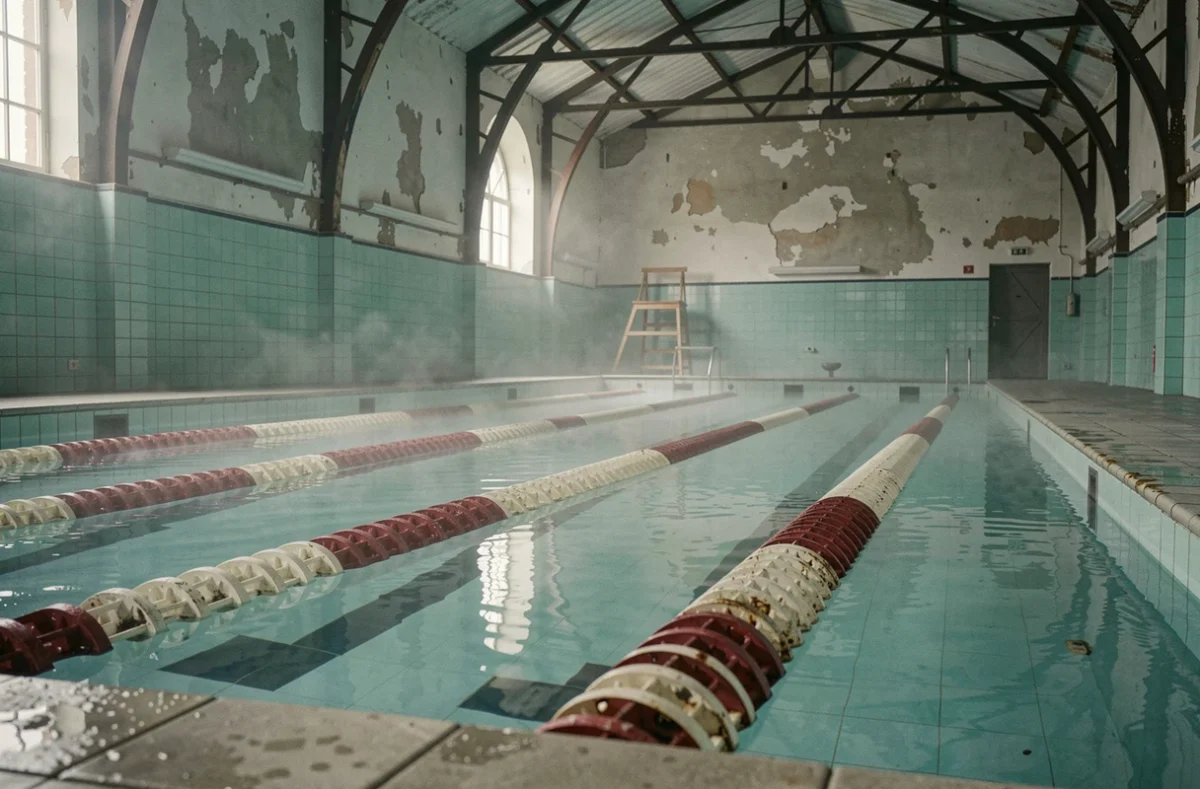
An indoor pool uses energy not only to heat the water. Heating the air and dehumidifying the space are also major energy costs, directly linked to evaporation from the pool surface. Specialist analyses recommend tracking consumption separately by category and operating period to identify the most effective ways to save energy.
The former pool, designed at a time when thermal performance was not a design priority, suffered from significant heat loss. Glazed walls, inadequate insulation and outdated air-treatment systems led to operating costs that were disproportionate to the service provided.
Zen&O was designed according to the principles of bioclimatic architecture and certified to a high environmental quality standard. Practical design choices that help control energy consumption include:
- Carefully planned sunlight exposure for the pools, reducing the need for artificial water heating during part of the year
- A green roof that improves the building’s thermal insulation while enhancing the neighborhood’s landscape
- Materials selected to harmonize with the site and the natural corridor linking Les Périseaux to the water catchment fields, two areas of major ecological importance for the Metropolis
No public energy assessment specific to Zen&O is available to quantify the savings precisely. However, its bioclimatic design and environmental certification point to a genuine improvement over the previous facility.
Swimming lessons and new activities at Zen&O Wattignies
The question raised by the reconstruction went beyond simply replacing an aging pool. Swimming instruction remains the facility’s primary purpose, with a sports pool, a pool for lessons and leisure, and a paddling pool for younger children.
The activity pool reflects a design approach that goes beyond lap swimming. It hosts supervised activities such as water aerobics, as well as newer formats. Today, municipal pools also cater to occasional and festive events, turning them into social spaces as well as sports facilities.
The relaxation and wellness area, which includes aromatherapy sessions combining essential oils, water-based activities and lighting effects, gives Zen&O a role the former pool never had. This type of offering aims to attract people who do not come to swim and make better use of less busy time slots.
Wattignies intermunicipal swimming pool: a facility designed for the wider area
Zen&O is more than a municipal facility. Its intermunicipal role in the Southern Crown area of the Lille Metropolis extends beyond Wattignies’s administrative boundaries. Its central, well-connected and accessible location was retained when the pool was rebuilt.
Its integration into the natural corridor between Les Périseaux and the water catchment fields reflects a desire to bring more nature into the city rather than create an isolated technical block. The green roof contributes to this approach, as does the choice of materials that harmonize with the immediate surroundings.
User reviews posted since the pool opened praise its cleanliness and the quality of its supervised activities, but also repeatedly criticize the limited public opening hours. Several comments note that school sessions restrict access for residents outside school holidays. This gap between the quality of the facility and the availability of its time slots remains a point of tension that the municipal authorities have yet to fully resolve.
From a standardized pool built in the 1970s to a multipurpose aquatic complex, the Wattignies site has evolved without changing address. Energy use, a broader range of users and the building’s ecological integration are three priorities reflected in every architectural choice at Zen&O.