
A cat purring on the sofa may seem self-sufficient. In reality, its health, well-being and even legal protection depend on specific steps that many owners are unaware of. In France, cats account for three-quarters of the animals taken in, according to the SPA’s 2025 activity report—a sign that prevention is still inadequate. Understanding your cat, feeding it properly and planning for life’s unexpected changes (such as moving house or separating) are three key areas that deserve more than a quick overview.
Cat identification and updating your contact details: the step too many owners forget
Ever thought that an indoor cat was safe from everything? That’s an illusion. In France, all cats must be identified before being transferred to a new owner, or, if they are not transferred, by the age of seven months. This requirement also applies to cats that never go outside.
Identification involves two separate steps: physical marking (a microchip or tattoo) and registration in the national I-CAD database. The marking alone is not enough. If the owner’s contact details are not up to date in the database, the microchip is useless: a vet or shelter scanning the animal will find an outdated phone number or a previous address.
Explore cat care advice on Animaloo to learn more about all the steps involved in everyday cat care, including identification.
Every move or change of owner requires you to update the details with I-CAD. You can do this online in just a few minutes. A lost cat that has not been properly identified may end up in a pound, with no way to reunite it with its owner.

Preparing your cat for a move or a change of home
A move, a separation or an owner’s death can leave a cat doubly vulnerable: to behavioral stress and administrative complications. Both can be addressed in advance.
Documents: plan ahead for the transfer of ownership
Before changing homes, make sure the health record, identification certificate and transfer agreement are readily available. In the event of a separation, deciding “who keeps the cat?” should go hand in hand with transferring ownership through I-CAD. Without this formality, the person caring for the animal is not recognized as its legal owner.
If a cat’s documents are not updated when it moves to a new home, it becomes administratively invisible. If it goes missing, no one will be contacted.
Helping your cat cope with the change
Cats are territorial animals. Moving disrupts all their familiar scents. A few practical steps can help reduce anxiety:
- Keep your cat in one room of the new home for the first few days, with familiar belongings (bed, scratching post and bowls), then gradually let it explore the rest of the space
- Keep the same litter and food during the transition, as changing several things at once can increase stress
- Avoid washing blankets or cushions just before the move: familiar scents are a cat’s main source of security
A stressed cat may develop unusual behaviors (inappropriate elimination, aggression or loss of appetite). If these signs persist for more than two weeks, consult a vet.
Cat food: tailor the bowl to your cat’s age and lifestyle
Generic nutrition advice (“feed your cat high-quality kibble”) is not enough. What matters is tailoring the food in the bowl to three factors: age, activity level and health.
A growing kitten needs significantly more protein and calories than a sedentary adult cat. Conversely, an indoor cat that has been neutered or spayed is at risk of becoming overweight if its portions are not adjusted after the procedure. Your vet can calculate the right portion based on your cat’s target weight, not its current weight.
Mixed feeding (kibble and wet food) offers an often-overlooked benefit: wet food provides extra hydration. Cats naturally drink little, which puts them at risk of urinary problems. Alternating dry and wet food can help prevent these issues.
Some everyday foods are toxic to cats, including onions, garlic, chocolate, grapes and large amounts of cow’s milk. Contrary to popular belief, most adult cats are lactose intolerant.
Spaying and neutering, and preventive care: protecting cats and reducing abandonment
Spaying and neutering are not just about making life easier for owners dealing with heat cycles or urine marking. They are also important for animal health and population control.
The SPA’s 2025 activity report describes a large number of stray cats, often young, among the animals taken in. These unwanted kittens are the direct result of uncontrolled breeding. Spaying and neutering remain the most effective way to reduce the number of abandoned cats.
For individual health, early spaying reduces the risk of mammary tumors in female cats, while neutering reduces the risk of prostate conditions in males. It also reduces roaming, the leading cause of cats going missing when they have not been spayed or neutered.
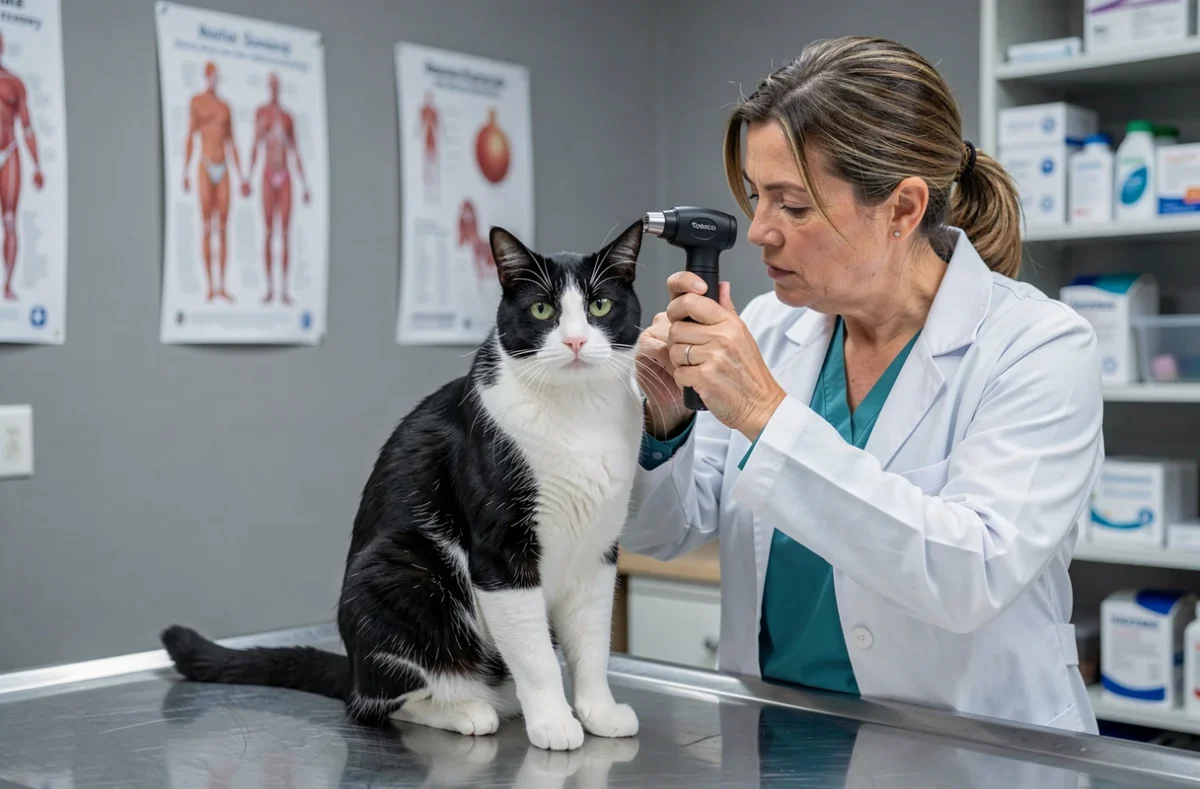
In addition to spaying and neutering, annual veterinary checkups can detect dental, kidney or joint problems before they become painful. Dental scaling, for example, is often put off, even though advanced periodontal disease can lead to widespread infections.
Helping without adopting: the role of foster families
Not every cat lover can adopt. Foster families play an essential role between rescue and permanent adoption. A report published by Nice-Matin on November 14, 2026, describes an association in the Var region that relies on around thirty foster families—far too few to meet demand.
Temporarily fostering a cat frees up space in a shelter, helps socialize the animal and improves its chances of being adopted. The association generally provides food, veterinary care and supplies. The foster family provides a calm space and time.
Caring for a cat also means keeping its paperwork up to date, making sure its food meets its actual needs and ensuring someone can step in if life takes an unexpected turn. These steps may not be dramatic, but they can make the difference between a protected pet and a cat left without a safe place to go.