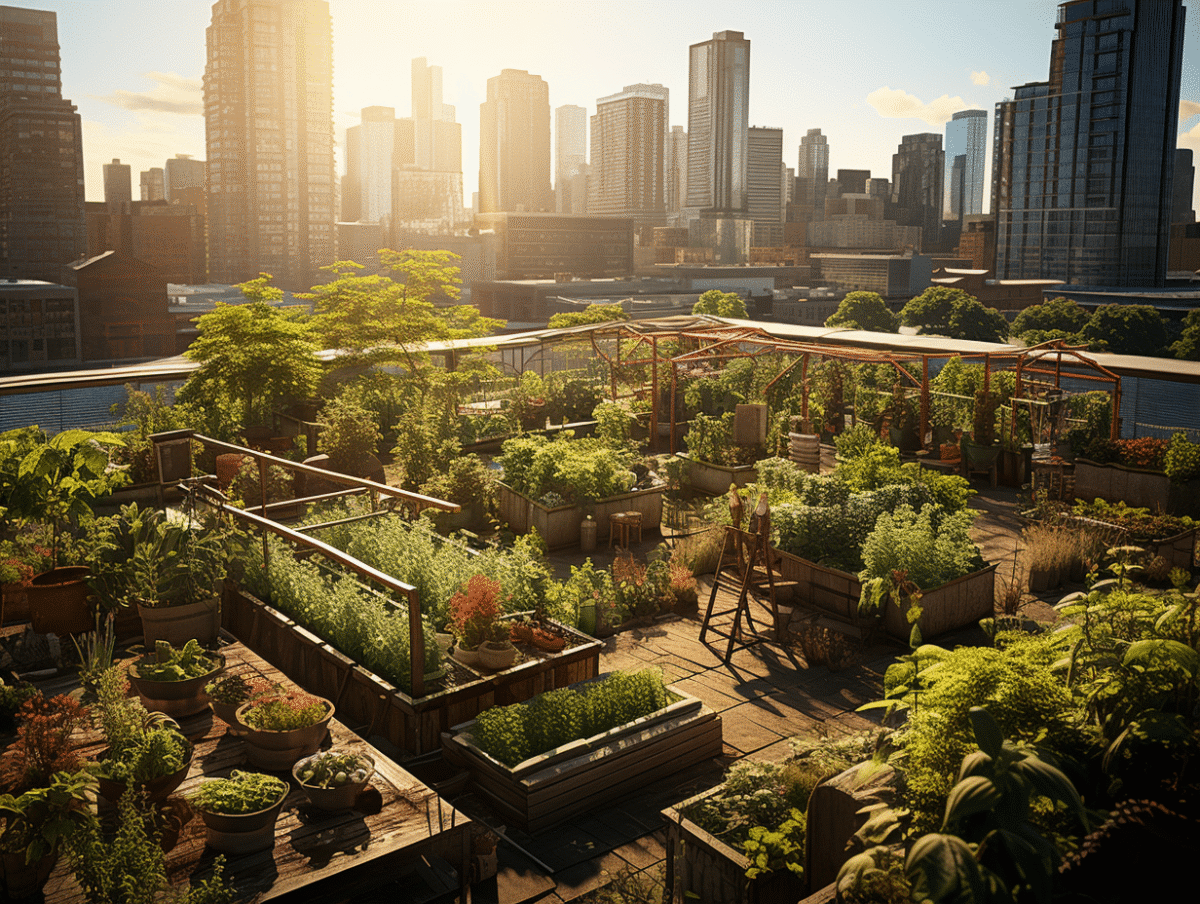
The rampant urbanization has led to a marked disconnection between city dwellers and the source of their food. A virtuous trend is gaining ground: urban gardens. These green oases, nestled between concrete buildings, not only provide a breath of fresh air but also an unprecedented opportunity for city residents to grow their own fruits and vegetables. This practice, which reintroduces agriculture at the heart of urban spaces, addresses environmental, social, and educational issues while promoting healthy and responsible eating.
The fundamentals of urban gardening: how to get started?
Urban gardening, this term synonymous with renewal and innovation, is part of an approach to food self-sufficiency and respect for the environment. The beginner gardener or the seasoned urban planner will find in urban agriculture a response to the desire to grow their own food in the city. But how can one turn aspiration into reality on the urban pavement?
Space optimization proves crucial for the urban gardener who often has to deal with limited space. Balconies, terraces, rooftops, or small green corners, every square meter counts. Immo & Habitat recommends ingenious solutions like vertical farming or the use of hanging containers. These techniques allow for maximizing the available space and creating a true miniature ecosystem.
The selection of adapted plants is another pillar of urban gardening. Indeed, not all species are suited for city life. Pollution, lack of natural light, and temperature variations require thoughtful choices. Aromatic herbs, salads, cherry tomatoes, or strawberries are resilient and rewarding varieties for the amateur gardener.
As for water management, it must be approached responsibly. Rainwater harvesting systems and drip irrigation are sustainable practices that reduce environmental impact and water consumption. This illustrates urban gardeners’ commitment to responsible resources, in harmony with the ecological challenges of our time.
Urban gardening, far from being a peripheral hobby, combines pleasure, environmental commitment, and the quest for food autonomy. It allows for cultivation in a limited space while contributing to the emergence of a sharper ecological awareness among urban populations.
Advanced strategies and techniques for a thriving urban garden
Vertical gardening, these gardens that rise towards the sky, optimize the often limited ground space in urban environments. This technique, whose effectiveness is highlighted by studies such as the one published by the University of Sheffield, not only increases the cultivable area but also enhances urban aesthetics. Using appropriate containers, whether recycled bottles or modular systems, is essential for the healthy growth of plants and the implementation of true ecological gardening.
Biodiversity is an essential component of advanced urban gardening. Indeed, encouraging the presence of pollinators, such as bees and butterflies, by planting nectar-rich flowers, is an asset for crop health and the balance of the local ecosystem. These practices, in addition to contributing to the survival of threatened pollinator species, enhance food production and the quality of harvests within the urban garden.
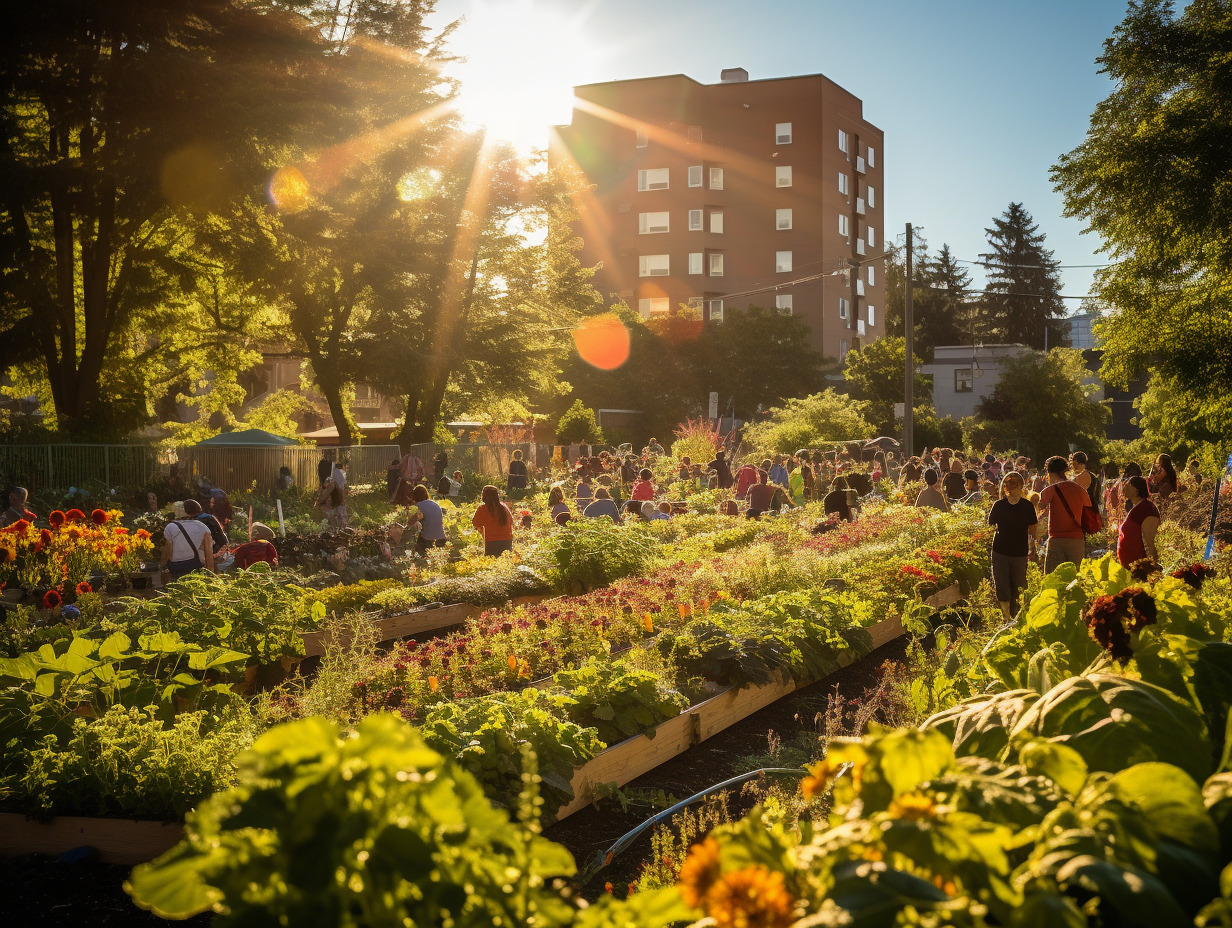
Community initiatives such as shared gardens or urban farms are models of success in urban gardening. They create social ties, share knowledge and skills, and demonstrate how the city can transform into a productive green oasis. The practice of zero waste, integrated into these projects, illustrates urban gardeners’ commitment to reducing their environmental impact, closing the consumption loop through composting and recycling organic materials.