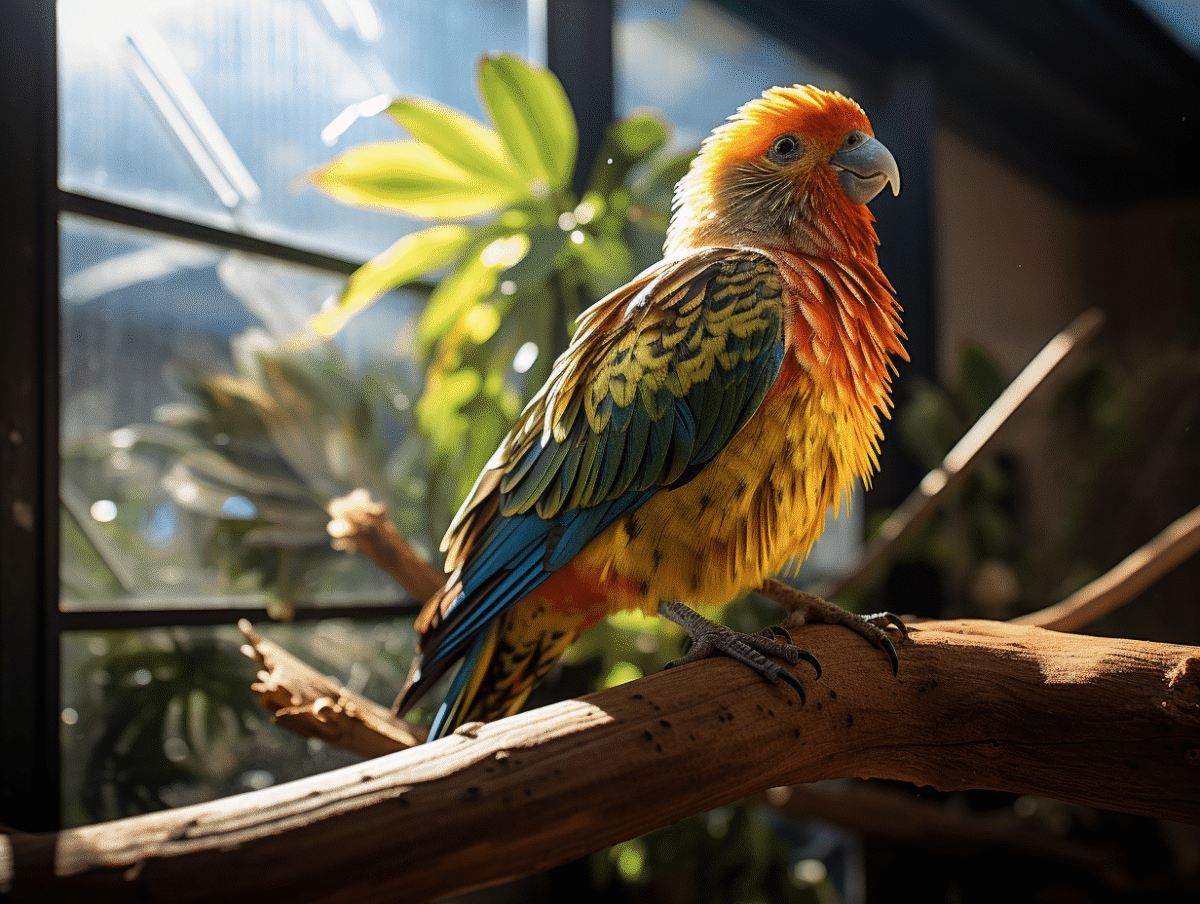
Raising exotic birds at home is a passion that requires dedication and specific knowledge to ensure their well-being. These captivating creatures, with their colorful plumage and melodious songs, require living conditions that cater to their natural needs. Their habitat should closely mimic their original environment, with particular attention paid to temperature, humidity, and space for flight. Their diet must be balanced and varied, including fruits, seeds, and proteins. Regular veterinary care is crucial, as is enriching their environment to stimulate their intellect and prevent boredom.
Creating a Suitable Environment for Exotic Birds
Any serious endeavor in breeding exotic birds begins with the selection of an appropriate cage. This artificial habitat must be made of stainless steel to avoid the risks of poisoning from metals such as galvanized, zinc, lead, or copper. The size of the cage varies depending on the species: a white parakeet will not have the same requirements as a majestic macaw. You must choose an aviary that allows for easy flight and provides enough space for the bird to spread its wings freely.
The diet of exotic birds should be as rich and varied as their natural environment. A base of complete pellets, supplemented with grains, sprouts, fresh fruits and vegetables, as well as nuts, constitutes a balanced diet. It is essential to research the specific toxic foods for each species to avoid them scrupulously.
The issue of care is central to keeping the bird healthy. This includes regular access to a bath for feather hygiene, trimming of wings, nails, and beak, as well as regular weighing to monitor any weight changes. These practices are fundamental to preventing diseases and quickly detecting any signs of distress. Consider the natural behavior of these birds. Encourage activities that stimulate their foraging instincts, their need for socialization, and their personal grooming habits. Be attentive to feather plucking, a common problem often indicating stress or deficiency. Adjust the ambient temperature of the room between 18 and 22 degrees Celsius to replicate a comfortable climate for the bird, and pay particular attention during the breeding season, often occurring between mid-February and summer, to ensure a conducive environment for fertility.
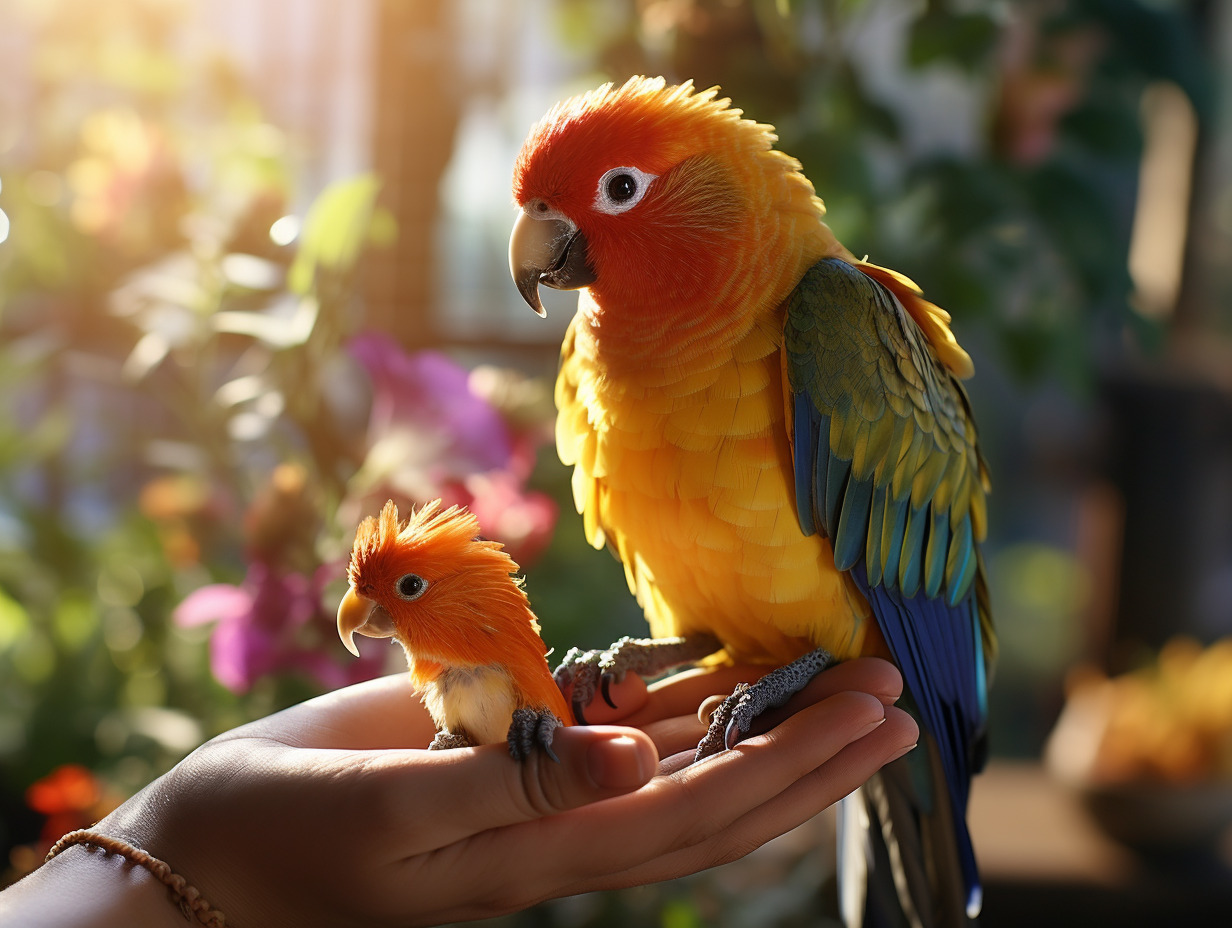
Prevention and Treatment of Common Diseases in Exotic Birds
The prevention of diseases in exotic birds relies on constant monitoring and a thorough understanding of clinical signs. A sick bird may exhibit various symptoms: lethargy, loss of appetite, feather alteration, or respiratory difficulties. Detecting these signals early is crucial; prompt intervention can make the difference between life and death. Every exotic bird owner should familiarize themselves with the usual behaviors of their charges to better recognize anomalies.
For this, a trusting relationship with a veterinarian specialized in avian care is essential. This animal health professional is the cornerstone in establishing a preventive care program: vaccinations, antiparasitic treatments, or specific dietary supplements. Consulting for advice and an annual or biannual health check-up is recommended to keep the bird healthy.
When a disease is suspected or diagnosed, the treatment must be as specific as possible. This may include targeted medications, dietary changes, or environmental modifications. However, it is fundamental to strictly follow the veterinarian’s prescriptions and never administer medications intended for humans without professional advice. The post-treatment follow-up is equally essential to ensure complete recovery and prevent recurrences.