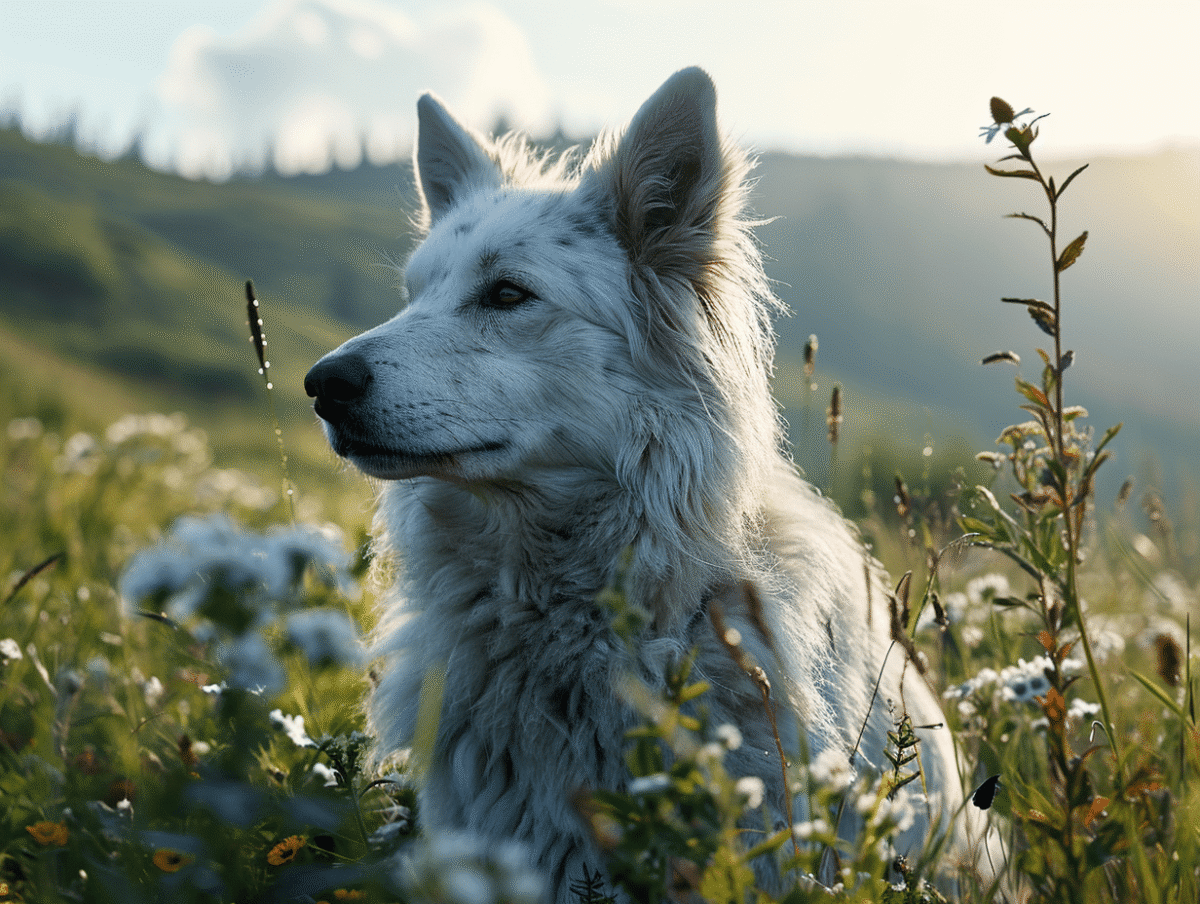
In the history of dog domestication, some breeds have endured through the ages while others have succumbed to the whims of time. The disappearance of dog breeds often reflects societal changes, lifestyles, and deliberate or accidental human interventions. The study of these extinct breeds offers a fascinating perspective on the evolution of dogs and their role alongside humans. It also reveals the consequences of practices such as excessive selection or major historical events that have led to the erosion of canine genetic diversity.
Historical and Environmental Factors Influencing the Extinction of Dog Breeds
The concept of dog breed, as we know it, emerged in the 19th century with the establishment of the first canine organizations and the definition of breed standards. This period marks the beginning of an era where dog domestication led to unprecedented diversification, characterized by morphological and behavioral changes. This same domestication came with unforeseen consequences, including the disappearance of certain breeds.
The disappearance of dog breeds has often been caused by epidemics and wars, such as World War II, which decimated entire populations of canines. The loss of interest in certain breeds, as well as breed crossbreeding, also played a role in their extinction. These crossbreeds, sometimes carried out in a desire to improve certain characteristics, had the side effect of eroding the genetic identity of pure breeds.
The cultural legacy of these extinct breeds, however, remains palpable. Comme Chien & Chat, some breeds have left an indelible mark on our societies. The Bullenbeißer, for example, contributed to the creation of the Boxer, while the Old English Bulldog is the direct ancestor of the modern English Bulldog. The Talbot, a breed now extinct, played a crucial role in the emergence of breeds such as the Beagle and the Basset Hound. These cases illustrate how some breeds, although extinct, continue to influence the genetics and characteristics of contemporary dogs.
The disappearance of dog breeds is not an isolated or ancient phenomenon. The Greyhound of Saint-Louis, for example, contributed to the creation of the Weimaraner and the Nivernais Griffon. Similarly, the Cordoba Fighting Dog is the ancestor of the Argentine Mastiff. These genetic losses are a testament to the sometimes brutal evolutions that dog breeds have undergone over the centuries. They remind us of humanity’s responsibility in preserving biological diversity and the importance of protecting existing breeds against the risks of extinction.
Case Study: Extinct Dog Breeds and Their Cultural Legacy
The genesis of modern standards can be traced back to breeds that are now extinct, which have left their mark on today’s canine diversity. The Bullenbeißer, a breed now extinct, played a decisive role in the emergence of the Boxer, a breed prized for its loyalty and versatility. Similarly, the Old English Bulldog, with its imposing stature and strength, is the direct ancestor of the contemporary English Bulldog. These lines of descent illustrate a continuity in the evolution of breeds, despite the irreparable losses recorded.
Some cases are emblematic, such as that of the Braque du Puy, a French breed originating from Poitou, which has completely disappeared. These breeds are often forgotten, overshadowed by their more recent descendants or by breeds with similar characteristics that have managed to adapt and survive the changes of the times. The Talbot, for example, has left a lasting legacy by contributing to the creation of breeds such as the Beagle and the Basset Hound, cherished for their scenting ability and perseverance.
The genetic heritage of extinct breeds endures through their descendants and influences the diversity of contemporary breeds. The Molosser of Epirus, ancestor of molossoid-type dogs, and the Greyhound of Saint-Louis, which contributed to the creation of breeds like the Weimaraner, testify to this genetic transmission through the ages. These breeds, although extinct, continue to shape the physical and behavioral characteristics of the breeds we know and love today.